
Can I Add My Elderly Parent to My Car Insurance
You can usually only add a parent to your policy if they live in your household, and even then the insurer may ask them to get their own policy instead.
Free to compare
It depends on where your parent lives and whose car they drive
Most insurers will only add someone to your policy if they live at your address. If your parent lives with you, you can usually add them as a listed driver or even as a named insured, depending on the company. If they live on their own, in their own home, most insurers will say no. Their car and their address belong on their own policy, not yours.
There's a reason for this. Car insurance follows the household and the vehicle, not the family relationship. An insurer wants to know who actually drives the car day to day and where that car is kept overnight. A parent in a separate home with their own car doesn't fit that picture, even if you're the one paying the bill.
If your parent does live with you, adding them can make sense, especially if they also drive your car sometimes. Call your insurer or agent and ask directly whether your parent can be added given your address and your situation. The answer is specific to their underwriting rules, so ask rather than assume.
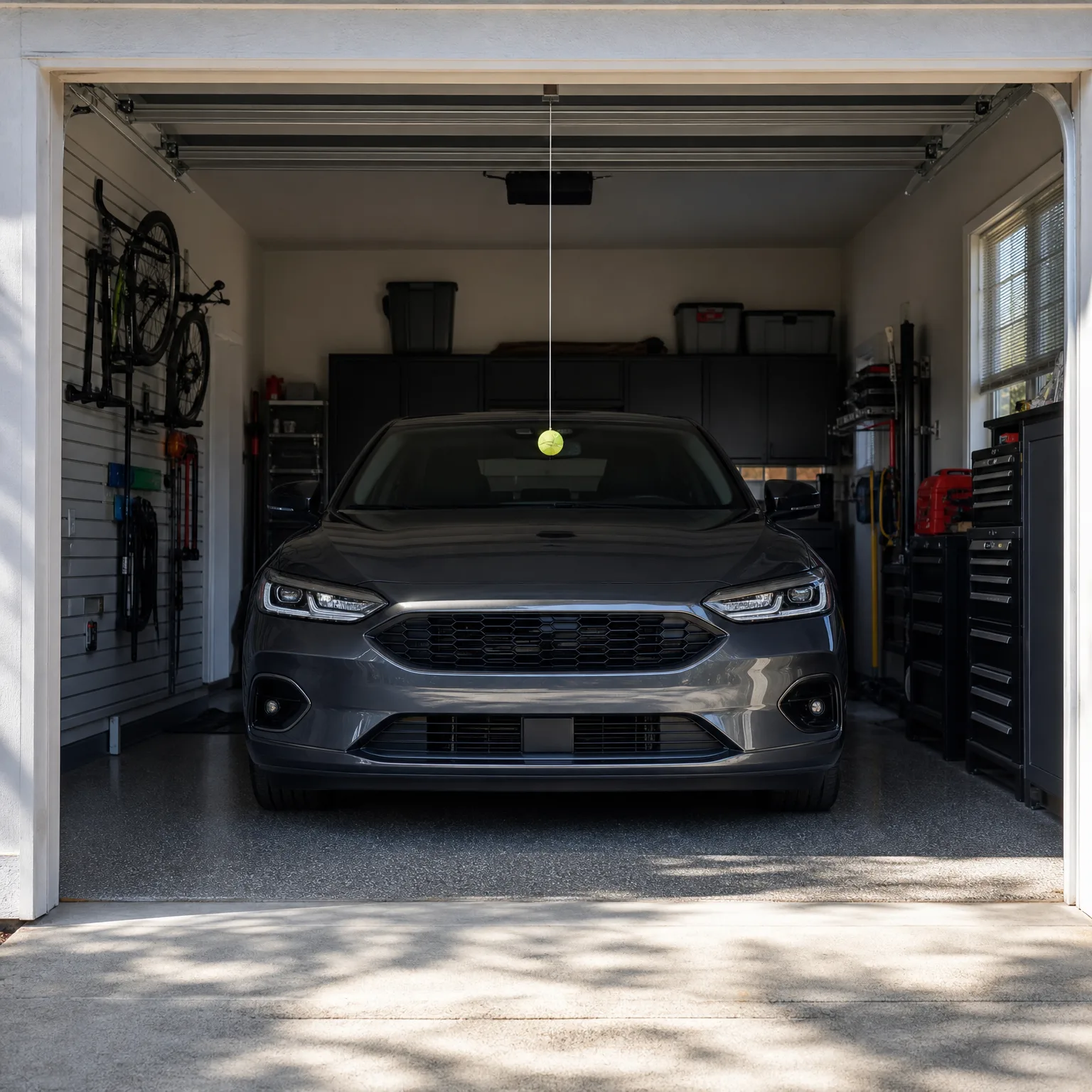
Whether your parent still drives their own car
If your parent has their own car and their own policy, the cleaner path is often not to combine policies at all. Ask their current insurer whether you can be added to their policy as a payer or authorized contact, so you can manage renewals and billing without taking on their driving record yourself.
Some insurers let a family member pay the bill, get the renewal notices, and talk to the agent on the parent's behalf, all without changing whose name is on the policy. That keeps your own rate separate from your parent's driving history.
If your parent has stopped driving but still owns a car, ask the insurer how that changes the policy. A car that's rarely or never driven may qualify for a different kind of coverage, and that's worth asking about on its own.
If your parent has given up the car entirely, there may be nothing left to insure, and the better move is to cancel their policy rather than fold anything into yours.
What a parent's driving record does to your rate
If your parent moves in with you and you add them to your policy, their driving history becomes part of the household's risk, and that can change your premium. An insurer looks at tickets, accidents, and claims history for everyone listed, not just the names on the title.
Ask your insurer directly what your parent's record would do to your rate before you add them, not after. Some companies will quote you the difference on request.
If your parent has a clean record, adding them may barely move your rate, or could even help if they drive less than you do. If their record has recent claims or a lapse in coverage, expect the rate to go up, and ask whether your insurer can explain why.
A lapse in coverage is worth asking about specifically. Some insurers charge more for drivers who went without insurance for a stretch, even if the gap wasn't their fault, so find out whether that applies before you commit.
Questions people ask about this
Can my parent be on my car insurance if they don't live with me?
Usually not. Most insurers require the person on your policy to live at your address, since the policy covers a household and the vehicles kept there. If your parent lives elsewhere, ask their own insurer about staying on their policy instead, with you as an authorized payer or contact if that's what you need.
Does adding a parent to my insurance affect my own driving record?
No. Adding someone to your policy doesn't change your personal driving record. What can change is your premium, since the insurer now weighs everyone listed on the policy when it sets your rate.
What happens to my parent's old policy if I add them to mine?
That's between your parent and their current insurer. Ask that company directly how to cancel or transfer coverage, and whether any refund applies for the unused part of the term. Don't let the old policy lapse before the new one is active.
Can I get my parent's car added to my policy too?
Sometimes, if the car is kept at your address and you're adding your parent as a driver there. Ask your insurer whether the car needs to be retitled or just listed, since rules on this vary by company and by state.
Will my parent need a new driving test to join my policy?
No test is required to join a policy. Some states do require renewal testing or vision checks for older drivers to keep a license, which is separate from insurance. Check with your state's DMV for its own rules on license renewal.
See what adding your parent would actually do to your rate before you decide.

Call your own insurer this week and ask two things: whether your parent can be added given your address, and what it would do to your premium. Have your parent's driving history and current policy information on hand, since the agent will likely ask for it. If your parent keeps their own car, call their insurer too and ask what happens to that policy if you take over as payer. Compare what each path would cost before you cancel anything. If your parent's license is coming up for renewal, check your state's DMV site for what that renewal requires, since it's separate from anything your insurer will tell you.