Can I Insure a Car if I Am Not the Owner
You can insure a car you don't own, but the insurer will want proof you have a real stake in it.
Free to compare
Yes, if you can show an insurable interest in the car
Insurers will write a policy on a car you don't own as long as you have what's called an insurable interest in it. That means you'd suffer a real financial loss if the car were damaged or stolen, even though your name isn't on the title. Driving the car regularly, keeping it at your address, or paying for its upkeep can all support that.
What changes the answer is the insurer and the paperwork they ask for. Some will insure the car with a simple explanation of your relationship to the owner. Others want the owner listed on the policy too, or want to see something in writing from them. Call the insurer before you assume either way.
Your relationship to the owner matters more than the title
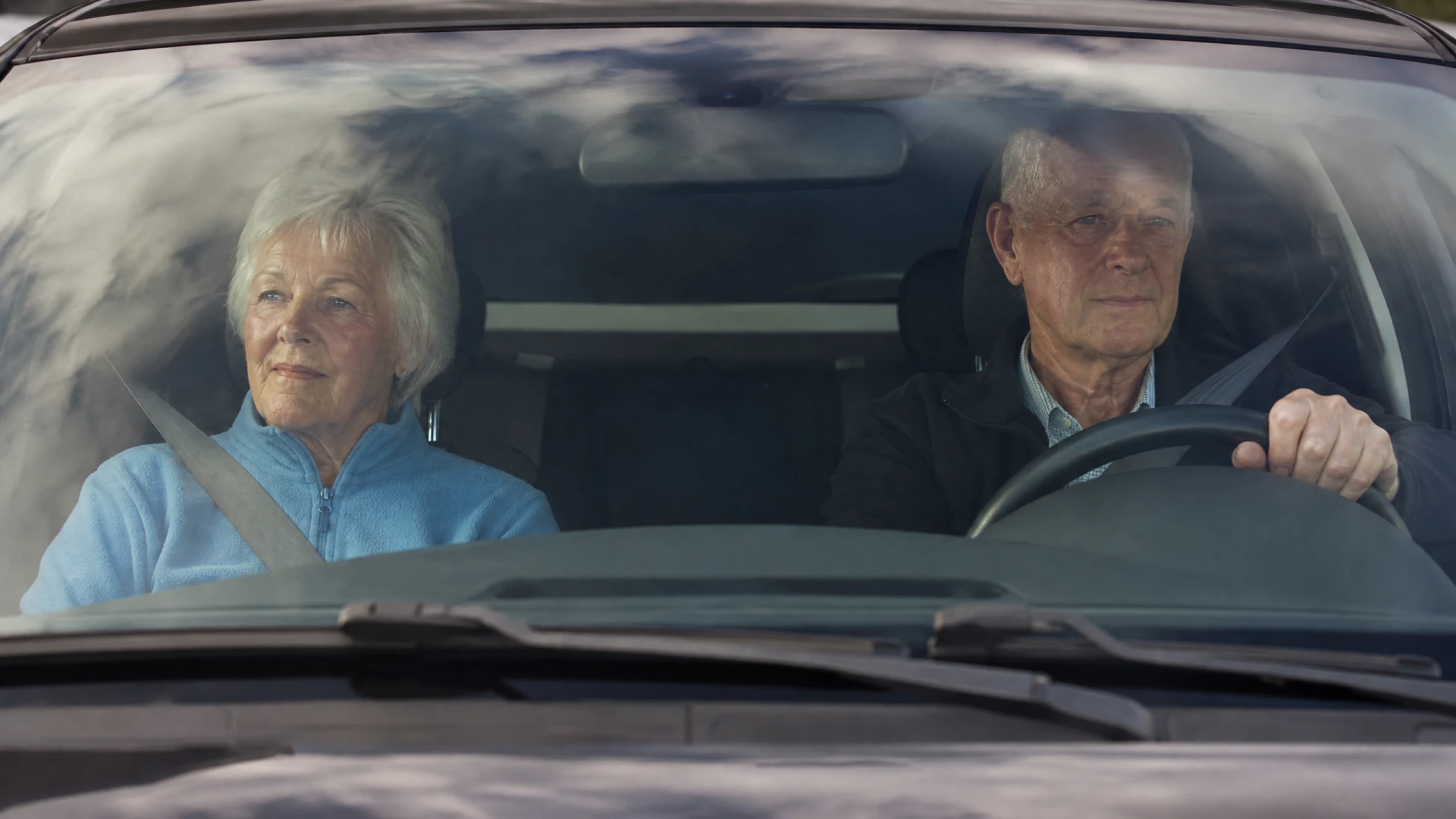
If the car belongs to a parent, a spouse, or someone else in your household, most insurers are comfortable writing a policy with you as the named insured and the owner listed as well. They're used to this setup and usually have a straightforward way to handle it.
If the owner doesn't live with you, it gets harder. Some insurers want a letter from the owner saying you have permission to insure and drive the car. Some want the owner to be a named insured on the policy even if you're the one paying for it. A few won't insure a car at all unless the owner is on the policy in some form.
Ask the owner to be ready to confirm the arrangement in writing if the insurer asks. A short note with their name, the car's details, and a statement that you have their permission to insure and drive it can clear up most of these conversations quickly.
The title and registration still have to match the story you tell the insurer
An insurer will usually ask who's on the title and who's on the registration before they write the policy. If those don't match what you're telling them, the application can stall or get flagged later.
If you're about to become the owner, some insurers will insure the car in anticipation of the title transfer, but they'll usually want that transfer to happen soon after. If ownership is never going to change hands, expect more questions, not fewer.
It also matters where the car is garaged. If it's kept at your address rather than the owner's, say so. Insurers use the garaging address to help set your rate, and giving the wrong one can affect a claim later.
Questions people ask about this
Can I insure a car that's still in someone else's name?
Yes, as long as you can show insurable interest and the insurer is satisfied with the arrangement. Each insurer sets its own requirements for this, so ask what they need before you apply.
Does the owner need to be on my insurance policy?
It depends on the insurer. Some will list the owner as an additional named insured, some want them listed as an interested party, and some don't require them on the policy at all if you can show you have permission to insure and drive the car.
What happens if I insure a car I don't own and then make a claim?
The insurer will check that you had insurable interest and permission to insure the car at the time of the claim. This is why it helps to have something in writing from the owner before anything happens, not after.
Can I add a car I don't own to my existing policy?
In many cases yes, if your insurer is willing to treat you as the policyholder with an insurable interest in that vehicle. Call your insurer and describe the situation, including who owns the car and where it's kept.
Do I need the owner's permission in writing to insure their car?
Most insurers don't require it, but some do, especially if the owner doesn't live with you. Having a short written statement from the owner ready can save time if your insurer asks for one.
See which insurers are comfortable with your situation before you commit to one.

Write down exactly how the car is titled, registered, and garaged, and who has permission to drive it, before you call any insurer. If someone else owns the car, ask them for a brief written statement confirming you have their permission to insure and drive it. Call a few insurers and describe the arrangement plainly, including your relationship to the owner and where the car is kept. Ask each one directly whether they need the owner listed on the policy and in what form. If you're planning to take ownership soon, ask how they handle a policy written ahead of a title transfer. Compare what each insurer asks for before you pick one, since the requirements can differ more than the coverage itself.