
Can I Insure My Parent Car at My Address
You can insure your parent's car at your address, but the policy needs to reflect who actually drives it.
Free to compare
Yes, with the right person listed as the driver
You can register a car at your address and insure it there even if it belongs to your parent. Insurers care about where the car is kept and who drives it, not just whose name is on the title.
What matters is honesty about who drives the car most. If your parent still drives it regularly, they should likely be the named insured or at least listed as a driver, even though the car is garaged at your address. If you're the one driving it day to day, you can usually insure it in your own name. Either way, tell the insurer the real situation so the policy matches how the car is actually used.
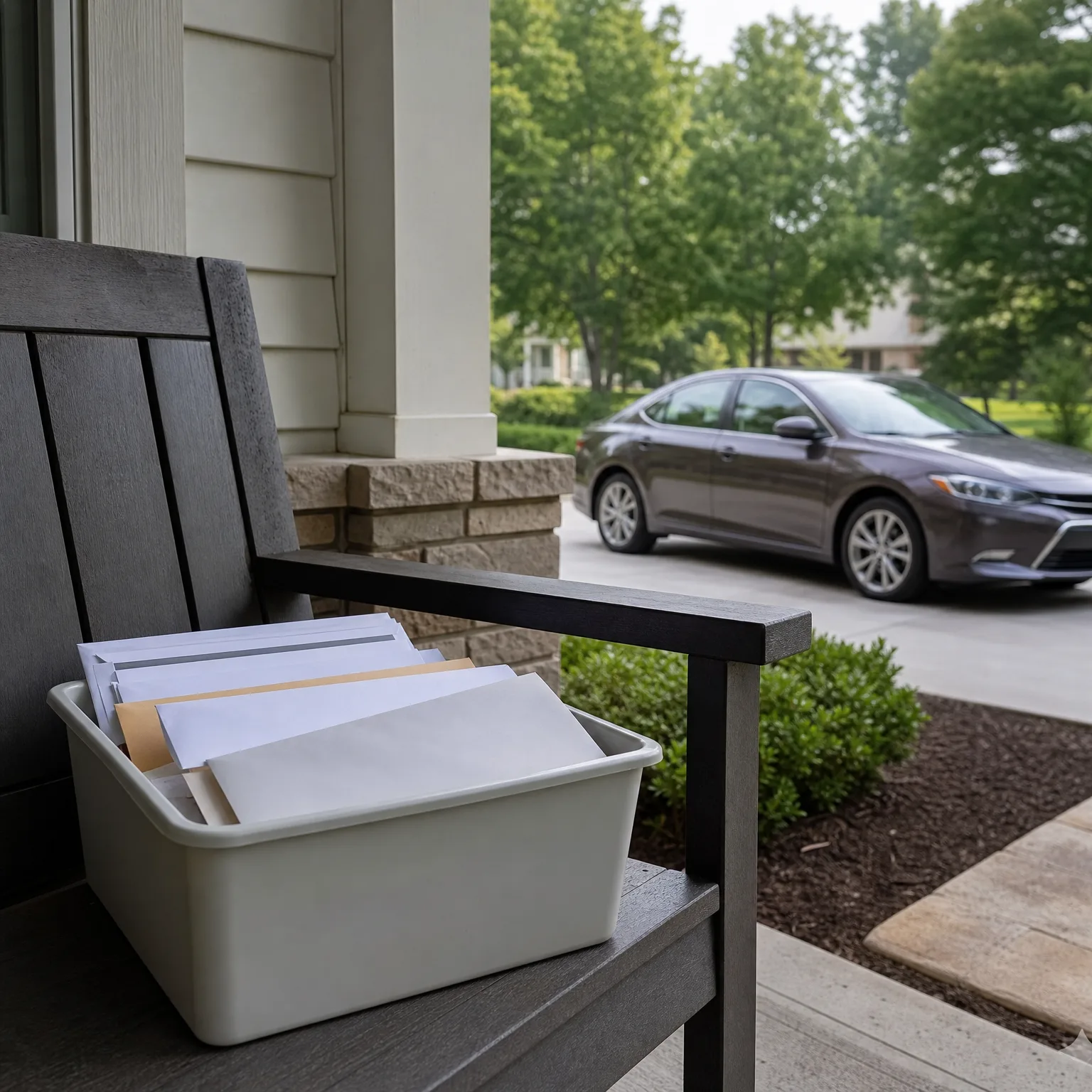
Who drives the car most often
Insurers set the policy around actual use, not just ownership or address. If your parent drives the car most of the time, even if it sits in your driveway, they're the one who should be insuring it, with you possibly added as a listed driver if you drive it sometimes too.
If you're the primary driver and your parent rarely uses the car anymore, it may make more sense for you to hold the policy, with your parent added if they still drive occasionally. Some insurers want the policyholder to have an insurable interest in the vehicle, so ask directly whether a child can insure a parent's car in their own name even when the parent is still the titled owner.
Getting this wrong isn't just a technicality. If an insurer later finds out the person who was actually driving wasn't the one listed on the policy, they can deny a claim or cancel the policy for misrepresentation.
What changes this is a conversation with the insurer up front. Tell them who lives where, who drives the car, and how often. Let them tell you how to structure the policy rather than guessing.
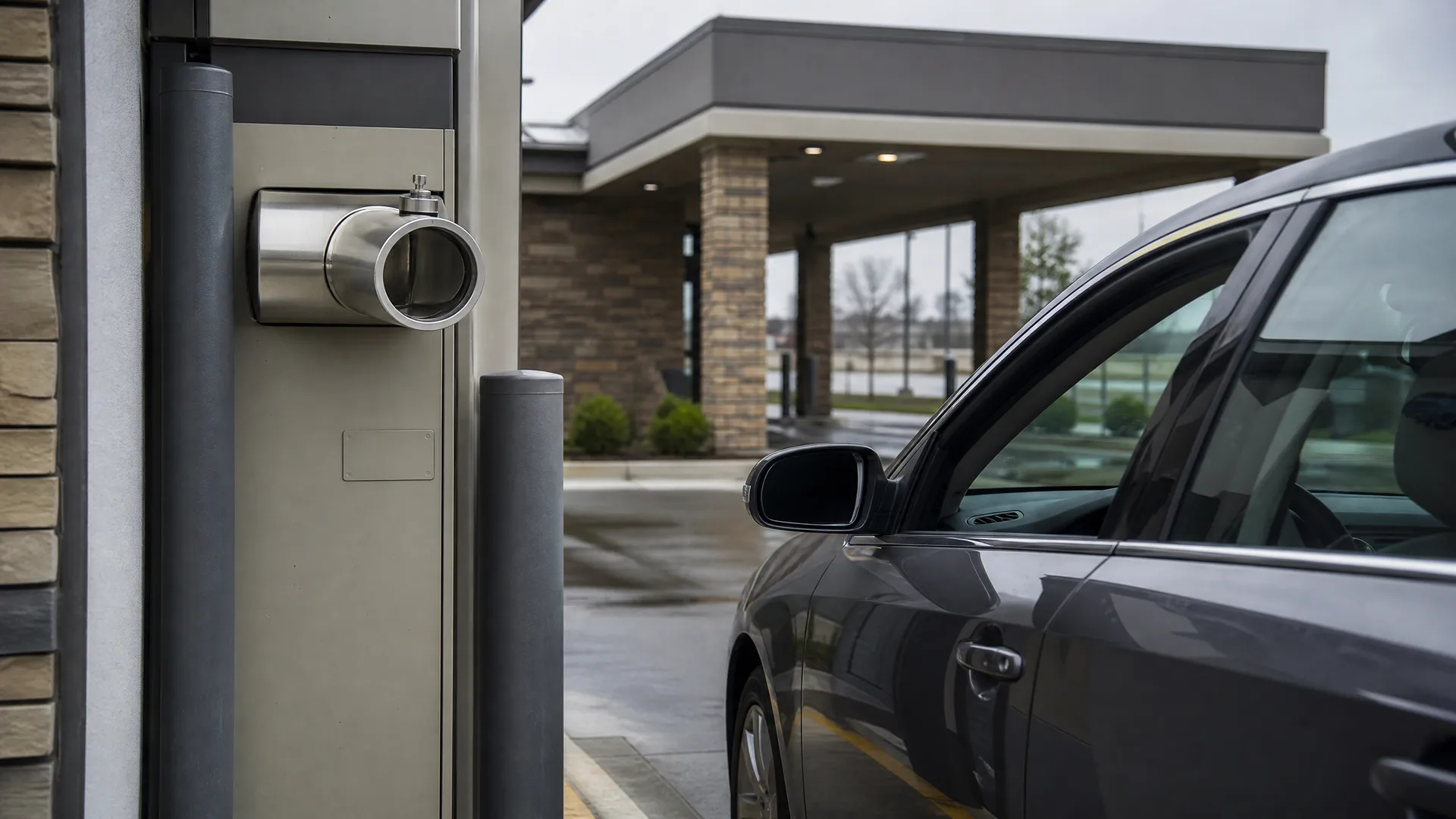
What your parent's insurer needs to know
If your parent already has a policy on the car, moving it to your address is a change they need to report, not something to leave unmentioned. Where a car is garaged affects the rate, since location is tied to things like local claim rates and theft.
If your parent is getting older and driving less, some insurers ask about mileage or driving frequency as part of this conversation, since a car driven rarely is often cheaper to insure than one driven daily. This is also a natural point to ask about discounts tied to low mileage or driver training, if your parent has taken a refresher course.
If your parent stops driving altogether, you'll want to ask the insurer directly what happens to the policy, whether it can be transferred into your name entirely, and whether the car needs to be re-titled as part of that. Rules on title transfers between parent and child vary by state, so check with your state's motor vehicle agency for what's required.
Questions people ask about this
Can I add my parent as a driver on my own insurance policy?
In most cases, yes, you can add your parent as a listed driver on your policy if they sometimes drive a car that's primarily insured in your name. The insurer will want to know how often they drive it and whether they have their own license in good standing. Ask your insurer directly, since some have restrictions on adding older drivers depending on their driving record.
Does the car need to be registered at my address too?
Usually the registration address and the insurance garaging address should match, since insurers and state agencies cross-check this information. If the car is going to live at your address, it likely needs to be registered there as well. Check with your state's motor vehicle agency for their specific rule on this.
What happens to my parent's insurance if they stop driving?
This depends on the insurer and the specific policy, so your parent should call and ask directly. Some insurers allow the policy to be canceled or transferred to another driver, while others may require a new policy to be written if the vehicle changes hands. It's worth asking this before the situation becomes urgent.
Will insuring my parent's car affect my own insurance rate?
It can, because adding a car or a driver to your policy changes the risk the insurer is covering. The effect depends on your parent's driving history and age, as well as the car itself. The only way to know the actual effect on your rate is to ask your insurer for a quote with the change included.
Can my parent stay the owner of the car if I'm the one insuring it?
In many cases yes, but this depends on the insurer's rules about insurable interest, meaning the policyholder generally needs some financial or personal stake in the vehicle. Being a close family member who drives the car regularly often satisfies this, but ask your insurer directly rather than assuming. If they say no, retitling the car may be the simplest fix.
See what it would cost to insure the car the way it's actually being driven.
Call your parent's current insurer and your own, and describe the actual situation: where the car will be kept, who drives it, and how often. Ask each one directly whether the policy should be in your name, your parent's name, or both as listed drivers. Have the car's registration, your parent's license status, and your address ready before you call. If your parent is giving up driving, ask what happens to their policy and whether the car needs to be retitled. Once you know how the insurer wants it structured, compare quotes for that specific setup rather than guessing at what it will cost.