Car Insurance for Elderly Parents in Hawaii
Age alone doesn't set the price. Their driving record, their car, and the insurer they choose matter more.
Free to compare
It comes down to their record, not their birthday
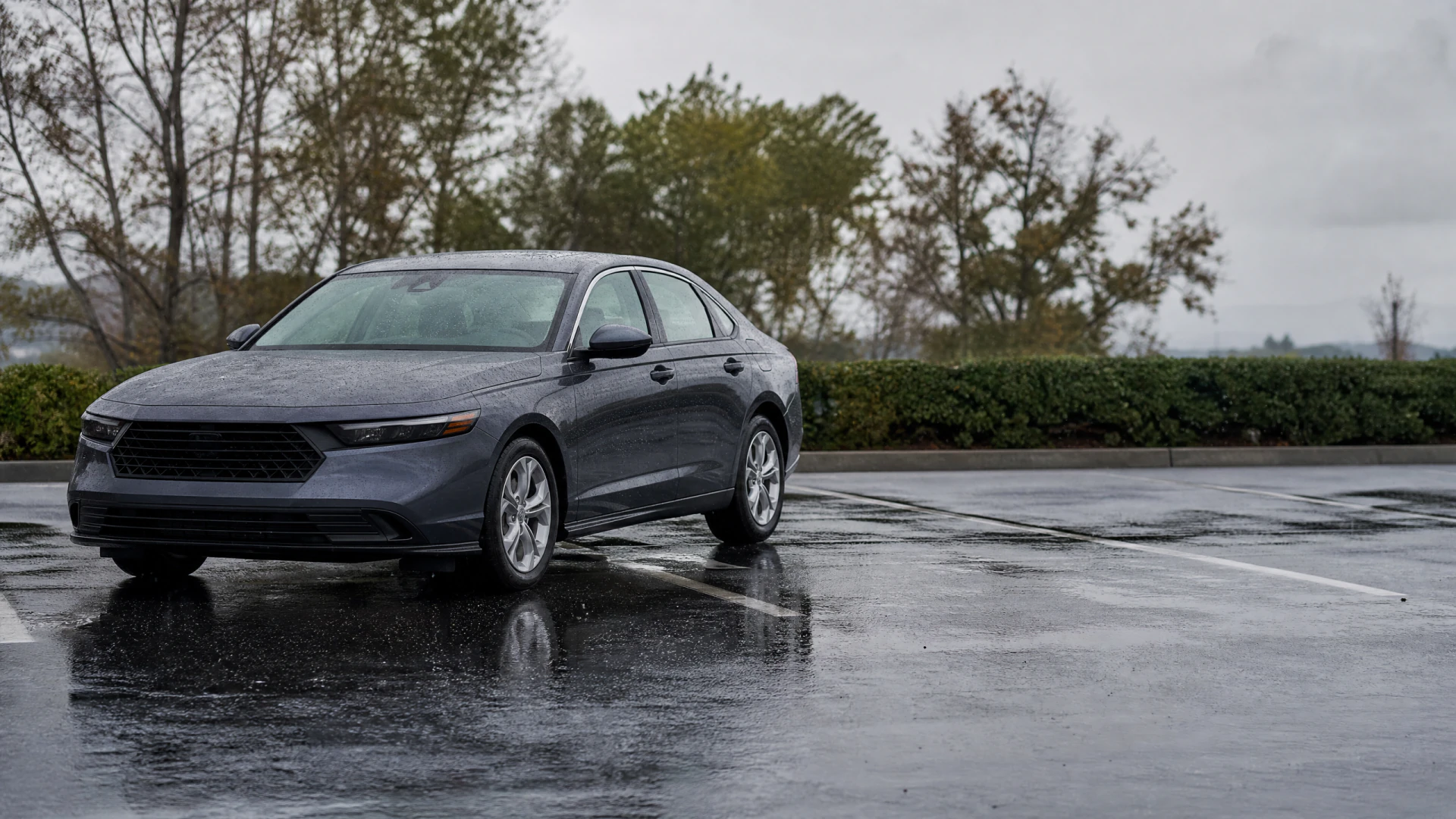
There's no age in Hawaii that automatically raises or lowers what a parent pays for car insurance. Insurers look at the whole driver: how long they've held a license, what's on their driving record, what they drive, and how much coverage they carry. Age can be one factor an insurer weighs, but it isn't the deciding one.
This matters because a parent with a clean record and a modest car can often find a reasonable rate no matter how old they are. The things that actually move the price, like a recent accident, a lapse in coverage, or a car that costs a lot to repair, apply at any age. The best way to know where a parent stands is to get quotes from a few insurers and compare what each one actually offers.
Their driving record carries the most weight
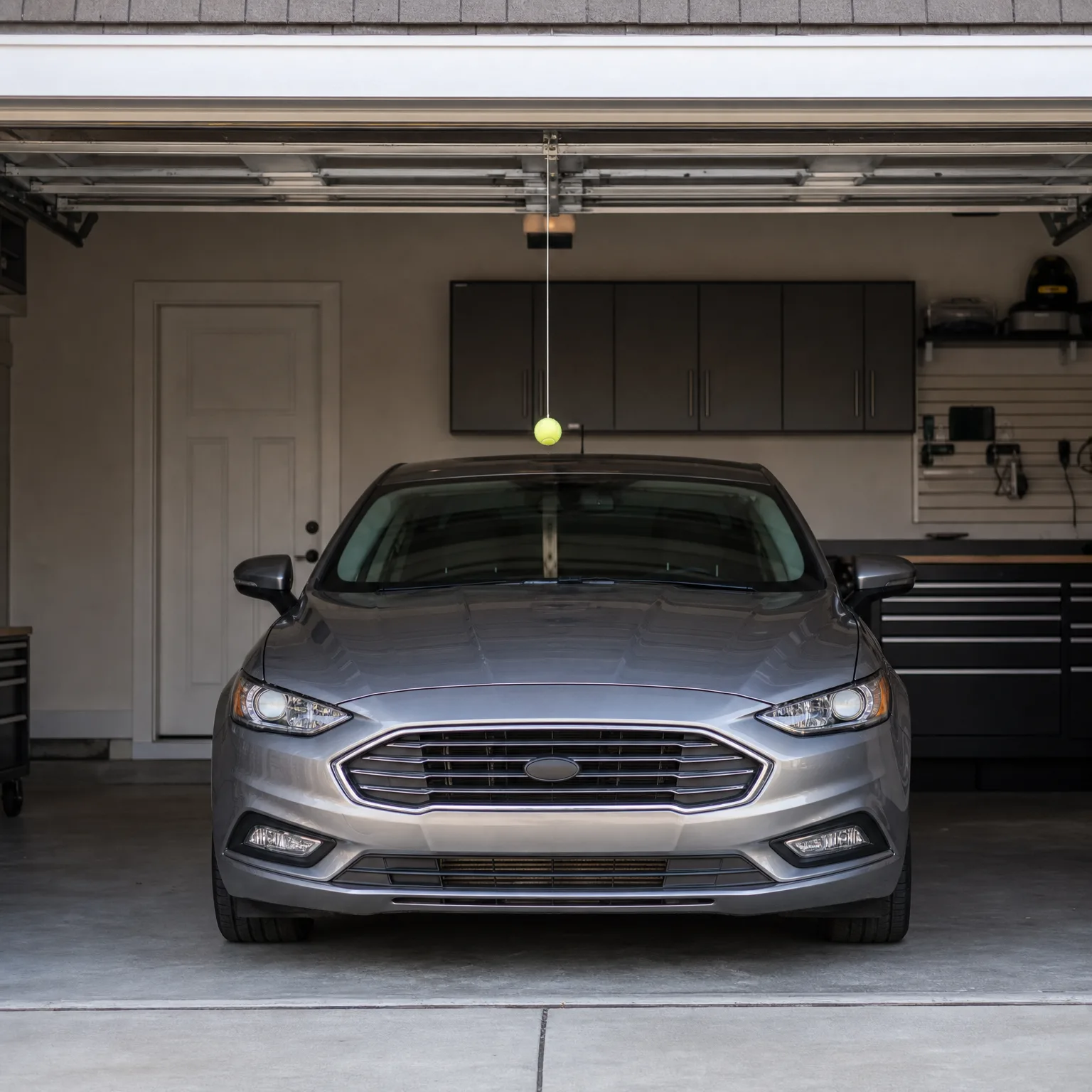
An insurer's first question isn't how old the driver is. It's how they've driven. A parent with years of clean driving and no recent claims is a good risk to an insurer regardless of age, and that shows up in the quote.
If a parent has had a recent accident or a ticket, that will affect the price more than their age does. It's worth pulling their driving record before shopping for quotes, so there are no surprises and so you can ask an insurer directly how a specific incident affects their rate.
Some insurers offer a discount for completing a defensive driving or mature driver course. If a parent takes one, they usually have to send the completion certificate to their insurer themselves. Taking the course alone doesn't change the rate.
Vision and health matter more than a number
Hawaii, like other states, has its own rules about license renewal for older drivers, including whether a vision test or more frequent renewal is required at certain ages. Those rules come from the state, not from an insurance company, and they can change. The Hawaii DMV is the place to confirm what applies to a parent's specific license renewal.
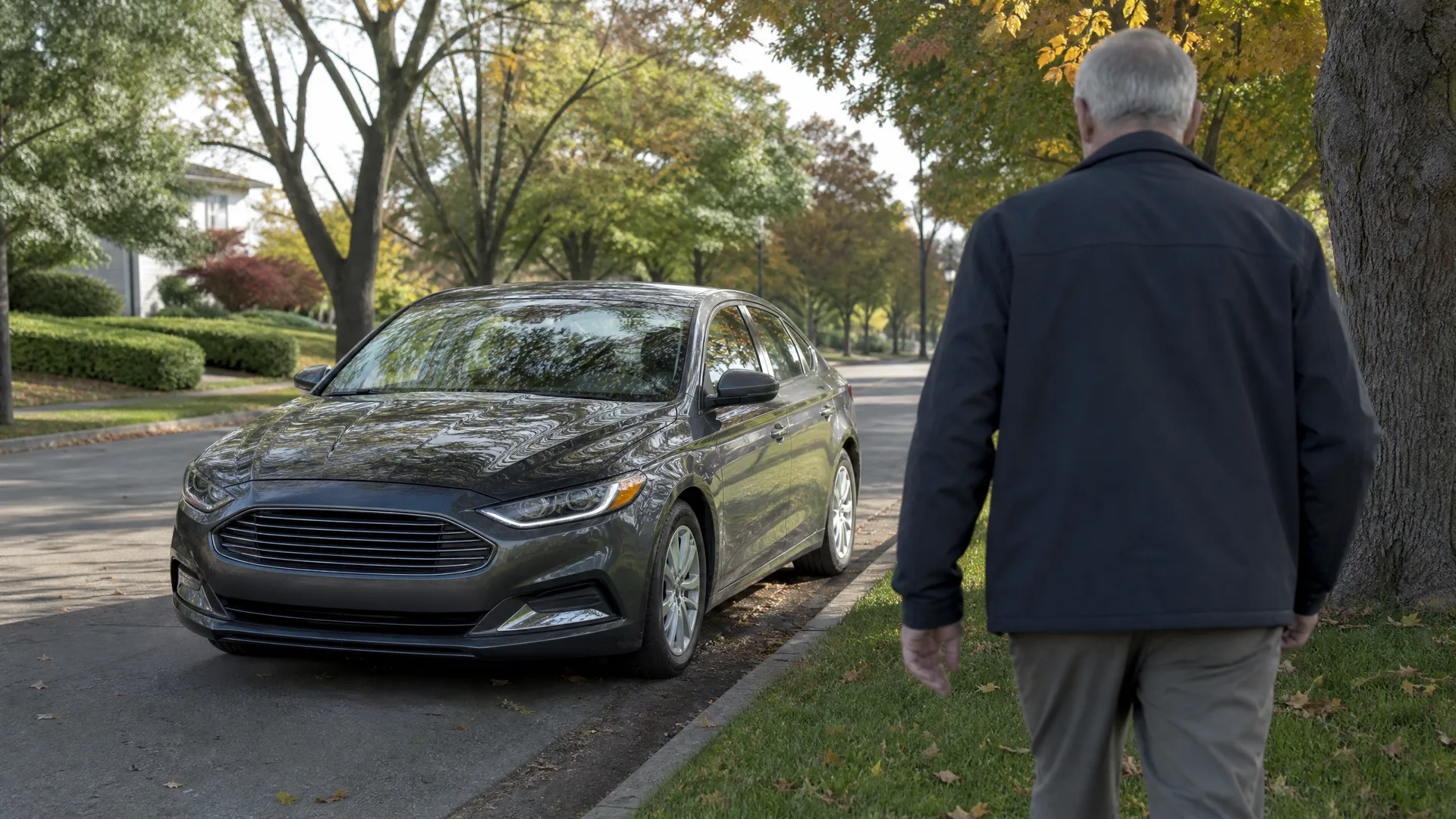
An insurer cares less about a birthday and more about whether a driver can still drive safely. If a parent has a medical condition that affects their driving, that's worth discussing honestly with their doctor and their insurer, since it can affect both their safety and their coverage.
If driving less is part of the picture now, mentioning that to an insurer is worth doing. Some insurers offer a lower rate for drivers who put fewer miles on their car each year.
Questions people ask about this
Should an elderly parent switch to a different insurer for a better rate?
It depends on what their current insurer charges versus what else is available. Rates vary by insurer even for the same driver and the same car, so it's worth getting quotes from a few companies to see where a parent actually stands. Switching only makes sense if the new policy offers the same or better coverage for less.
Does a parent need less car insurance coverage as they get older?
Coverage needs depend on the car, the driving, and what a parent can afford to pay out of pocket if something happens, not on age itself. Dropping coverage to save money can leave a parent exposed if they're in an accident. It's worth reviewing their policy with an insurer to see what coverage actually fits their situation now.
Can an adult child add a parent to their own car insurance policy?
Some insurers allow this if the parent lives at the same address or drives the same car regularly, but policies vary. The best way to know is to ask the insurer directly whether a parent can be added and what that would do to the premium.
What happens to a parent's insurance if their license is restricted?
A restricted license, such as one limited to daytime driving, is a state decision made separately from insurance. Once a parent has a restricted license, their insurer should be told, since it can affect their coverage or rate. Ask the insurer how a restriction is handled before assuming nothing changes.
Is it worth getting a second car insurance quote every year for an elderly parent?
Yes, because rates change over time even if nothing about the driver has changed. Insurers reassess risk differently, and a company that was competitive a few years ago may not be now. Checking every year or two helps make sure a parent isn't paying more than they need to.
Compare a few quotes side by side to see what a parent's record and car actually qualify them for.

Start by pulling the parent's current driving record and their most recent renewal notice, so you know exactly what's on file and what they're paying now. Ask their current insurer directly how their age, any recent claims, and their vehicle factor into the price. Check with the Hawaii DMV on any upcoming renewal requirements, since those are separate from insurance and worth knowing ahead of time. Then get quotes from two or three other insurers using the same coverage levels, so the comparison is fair. If a mature driver course is available, ask whether their insurer offers a discount for it and what they need to submit. Bring any discount, like low mileage or a clean record, up directly with each insurer rather than assuming it's already applied.