Car Insurance for Elderly Parents in Oklahoma
Age alone doesn't raise the cost. A changed driving record, a lapsed policy, or a health condition that affects driving does.
Free to compare
Yes, older drivers in Oklahoma can usually keep good rates, but the record matters more than the birthday
Oklahoma insurers don't charge more just because a driver turns a certain age. What they look at is the same thing they look at for any driver: the record. A clean history of no tickets and no claims keeps the rate where it's been. A recent accident, a new condition that affects reaction time, or a lapse in coverage will move the number more than age does on its own.
If your parent has driven the same way for years and nothing has changed, don't expect a jump just because a renewal notice arrived around a birthday. If something has changed, that's what the company is pricing, not the age itself.
Their driving record, checked honestly
Insurers set the rate mostly from what's on the record. Tickets, at-fault accidents, and claims in the past few years carry more weight than anything else. If your parent hasn't had an incident in a long while, that history is working in their favor regardless of age.
If there's been a recent accident or a citation, ask the insurer directly how long it affects the rate and when it drops off. That answer depends on the company and sometimes the state, so it's worth asking rather than assuming.
A driver improvement course can help in some cases. Oklahoma doesn't require insurers to give a discount for it, so check with the specific company before your parent spends the time and money on one.
If vision or a medical condition has come up at a license renewal, that's a separate issue from the insurance rate, but it's worth mentioning to the agent, since some insurers ask about it directly.
How the policy itself is set up
The car matters as much as the driver. An older, paid-off car with low repair costs usually costs less to insure than a newer one, and dropping collision or comprehensive coverage on a car that isn't worth much can lower the bill further. Ask the insurer what the car is valued at before deciding whether that coverage is still worth paying for.
How much the car is driven matters too. Many retired drivers put on far fewer miles than they used to, and some insurers ask for that number and adjust the rate for it. If nobody has mentioned this at renewal, it's worth asking.
Bundling home and auto with the same insurer, or being listed as a long-time customer, can also affect the price. None of this is guaranteed by Oklahoma law. It depends on the insurer, so the way to find out is to ask the current one directly what they offer for drivers in your parent's situation.
Questions people ask about this
Does Oklahoma require a vision test to renew a driver's license at a certain age?
That's set by the state and can change, so the Oklahoma Department of Public Safety is the place to confirm current renewal requirements by age. A vision test for license renewal is separate from anything the insurance company checks for the policy.
Can an insurer drop an elderly driver for having a medical condition?
An insurer can decline to renew a policy for reasons tied to risk, including a documented condition that affects driving, but this varies by company and by the specific situation. Ask the current insurer what circumstances would lead to a non-renewal before assuming the worst.
Should an elderly parent switch to a named driver policy instead of their own policy?
That depends on whether they still drive regularly and how the family's other policies are set up. If they drive often, keeping their own policy usually makes more sense. If they've stopped driving, ask an agent how removing them or adding them as a listed driver on someone else's policy changes the cost.
Will taking a defensive driving course lower an elderly parent's car insurance in Oklahoma?
Some insurers offer a discount for completing a course, but Oklahoma doesn't require it. Call the specific insurer first to ask if they offer the discount and what certificate or proof they need before your parent enrolls.
What happens to car insurance if an elderly parent stops driving but keeps the car?
Most insurers still require some coverage on a car that's registered and parked, even if it's rarely driven, but the required minimum and the available discounts for low mileage vary by company. Ask the insurer what coverage they allow for a car that's driven rarely or not at all.
See what other insurers would charge for the same driver and the same car before the renewal goes through.

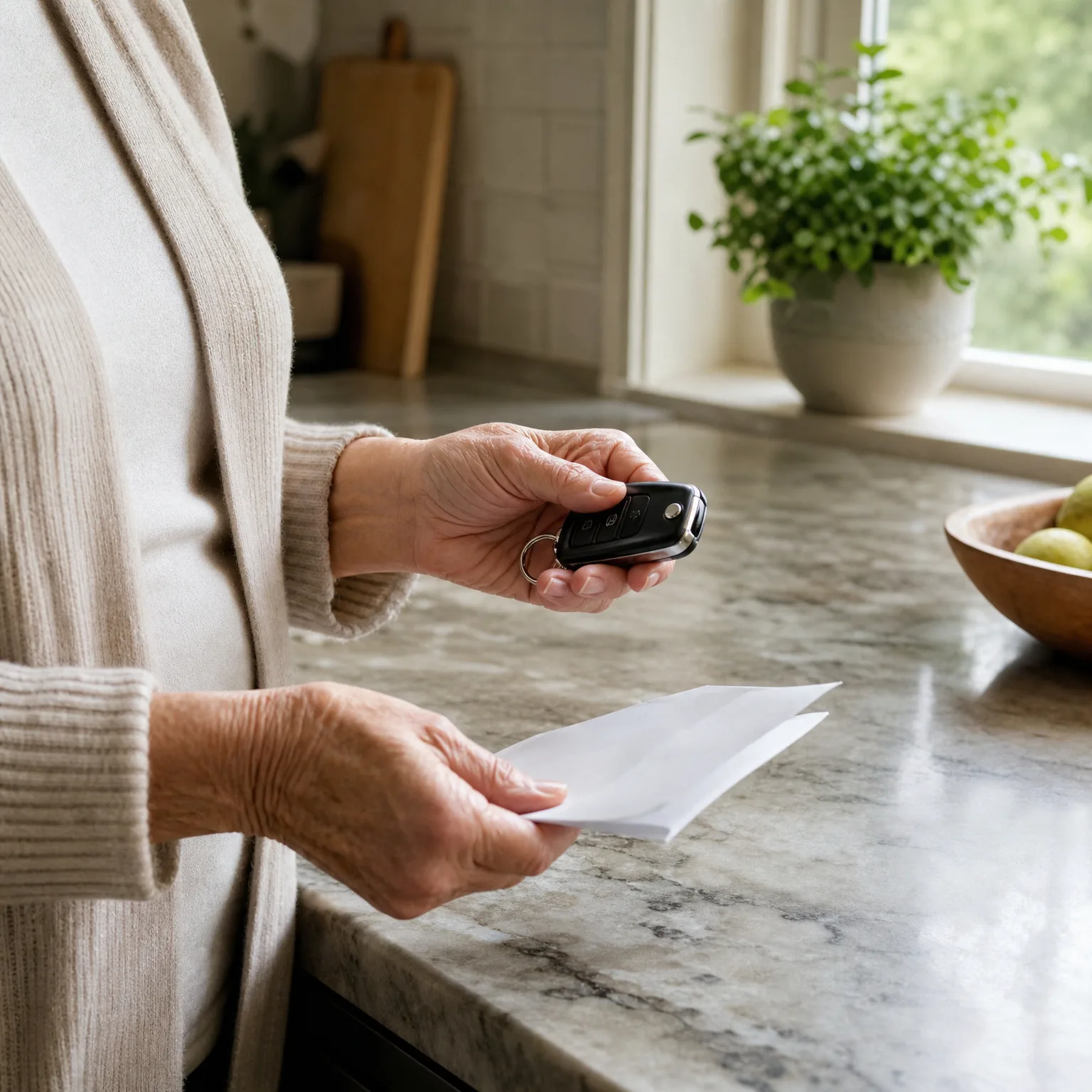
Pull out the most recent renewal notice and the declarations page before calling anyone. Call the current insurer and ask directly what changed since the last renewal and whether any discounts for low mileage, bundling, or a completed driving course apply. If your parent has had a recent citation or accident, ask how long it affects the rate. Then compare that renewal price against quotes from a couple of other insurers for the same coverage, since one company's view of an older driver can differ a lot from another's. If health or vision has come up at a license renewal, keep that conversation separate from the insurance call, since the DMV and the insurer are asking for different things.