
Car Insurance for Elderly Parents in Oregon
Age alone doesn't set the price. Oregon insurers look at the driving record, the car, and sometimes a doctor's note before they look at age.
Free to compare
Yes, you can still find coverage, and it's worth shopping around
Oregon doesn't let insurers refuse to renew or cancel a policy just because a driver reached a certain age. Your parent can keep their current policy, switch insurers, or add a second car to an existing policy the same way any other driver would.
What changes the price and the terms is the same thing that changes it for any driver: the record behind the wheel, the car being insured, and how much coverage they carry. Insurers in Oregon do pay attention to recent tickets, accidents, and in some cases a report from the DMV about a driver's fitness to continue driving. None of that is about age by itself. It's about what's actually true of this driver.
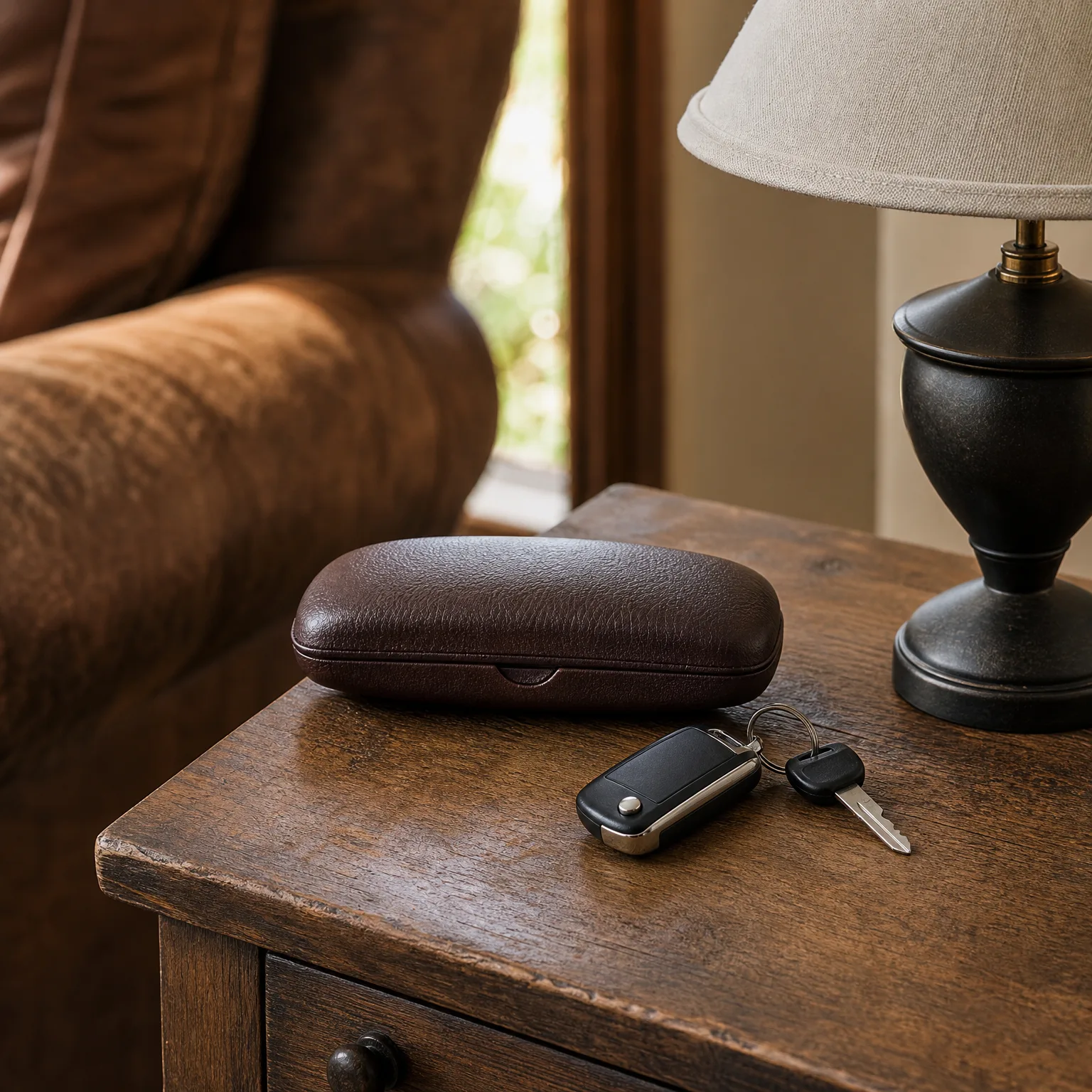
Their driving record still decides more than their birthday
If your parent has driven for decades with no tickets and no accidents, that record is worth something to an insurer, often more than it was worth to them at twenty five. A long clean history is a strong signal, and some insurers price it accordingly.
What changes things is a recent incident. A fender bender, a moving violation, or a DMV referral for a vision or driving test can move the price or the terms more than age does on its own. If something like that happened in the last few years, expect it to come up when you get quotes.
If Oregon's DMV has flagged a license for review, that's a separate process from insurance. The insurer will ask whether the license is current and valid. The renewal and testing rules themselves are set by the Oregon DMV, so if a parent received a notice about a vision test or a reexamination, that's the office to call with questions about what's required and by when.
It's worth asking directly whether there's a discount for a defensive driving course. Some insurers offer one. If they do, your parent usually has to complete the course and then send the insurer the certificate themselves. Finishing the course isn't enough on its own.
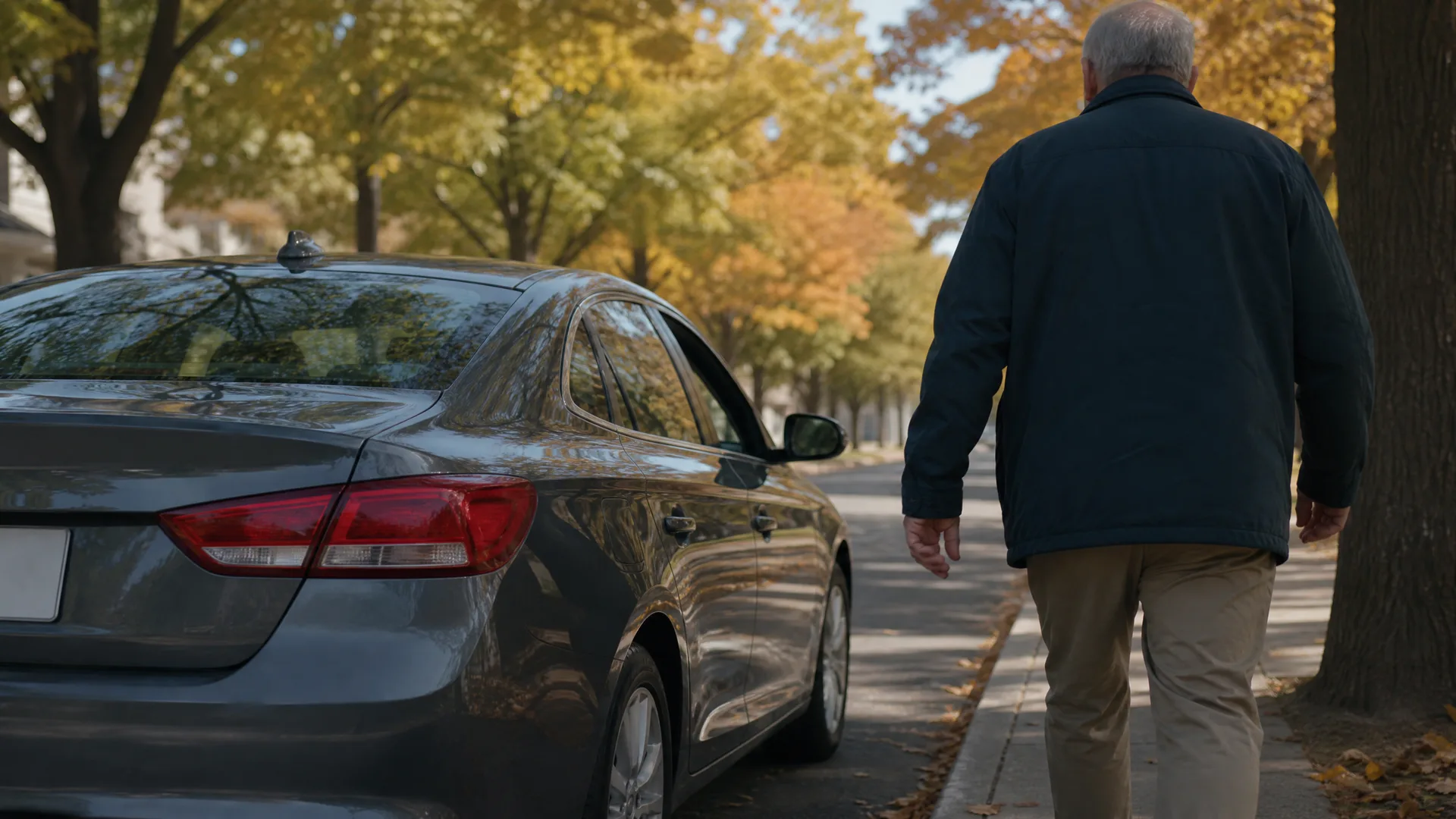
The car and the coverage level matter as much as who's driving it
An older, fully paid off car can often carry a lighter policy than a newer one. If your parent no longer carries a loan or a lease, dropping collision or comprehensive coverage is a choice worth asking about, especially if the car's value has dropped a lot over the years.
On the other hand, if your parent drives less than they used to, maybe only short errands or no longer a daily commute, that's worth mentioning to the insurer. Some companies adjust pricing based on how much a car is actually driven, and a change in that pattern is something they should know about regardless of age.
If you're helping a parent compare policies, have their current declarations page in hand. It shows exactly what they're paying for now, including coverage limits and any discounts already applied, and it's the fastest way to see what a new quote is actually comparing against.
Questions people ask about this
Can an insurance company drop my elderly parent for being too old?
No, age by itself isn't a legal reason for an Oregon insurer to cancel or refuse to renew a policy. A nonrenewal has to be based on something else, like a lapse in payment, a change in the driving record, or the insurer exiting a market entirely. If your parent gets a nonrenewal notice, ask the insurer directly what reason they're citing.
Does Oregon require seniors to retake a driving test?
Oregon doesn't set a blanket rule that all older drivers must retest at a certain age. The DMV can require a vision exam or reexamination for specific drivers, often prompted by a report of a medical condition or an observed driving concern. If a parent gets a notice, the DMV is the right office to confirm exactly what's required and the deadline.
Should I be listed as a driver on my parent's policy if I help them drive sometimes?
If you drive their car regularly, tell the insurer. Insurers generally expect to know who regularly operates a covered vehicle, and leaving a frequent driver off the policy can cause problems if there's ever a claim. Ask the insurer how they define regular use so you know whether it applies to your situation.
What happens to my parent's insurance if their license gets restricted or revoked?
A restricted or revoked license usually means the policy needs to change, since insurers price coverage around who is actually allowed to drive the car. If a license is limited to daytime driving or certain conditions, tell the insurer so the policy reflects it. If a license is revoked entirely, ask the insurer how that affects an existing policy on a car that's still in the household.
Is it worth switching my elderly parent to a new insurer or just staying put?
It depends on how long it's been since they last compared rates and whether their situation has changed. A loyal customer discount can be worth something, but insurers also price new customers differently, so the only way to know is to get a current quote and compare it line by line against what they're paying now.
See what other insurers would charge for the same coverage your parent has now.

Pull out your parent's current declarations page so you know exactly what they're covered for and what they're paying. If they've gotten any notice from the Oregon DMV about a vision test or reexamination, call the DMV first to find out what's required and by when, since that can affect what insurers ask for too. Ask their current insurer directly whether a defensive driving course would lower the premium, and if so, get the paperwork for submitting the certificate. Then get a few quotes based on the same coverage levels they have now, so you're comparing like to like rather than a stripped down policy against a fuller one.