
Car Insurance for Elderly Parents in Pennsylvania
Age alone doesn't set the price, but how an insurer views an older driver's record and health does.
Free to compare
It depends on the driver, not just the birthday
There's no Pennsylvania rule that raises rates at a certain age. Insurers look at the driver in front of them: how they've driven, what tickets or claims are on file, what car they're in, and sometimes what a doctor or the DMV has noted about their ability to drive safely.
Two drivers the same age can get very different offers. A parent with a clean record and a modest car will often see little change year to year. One with a recent accident, a medical flag, or a lapse in coverage will see the insurer ask more questions and price accordingly.
Their driving record still matters most
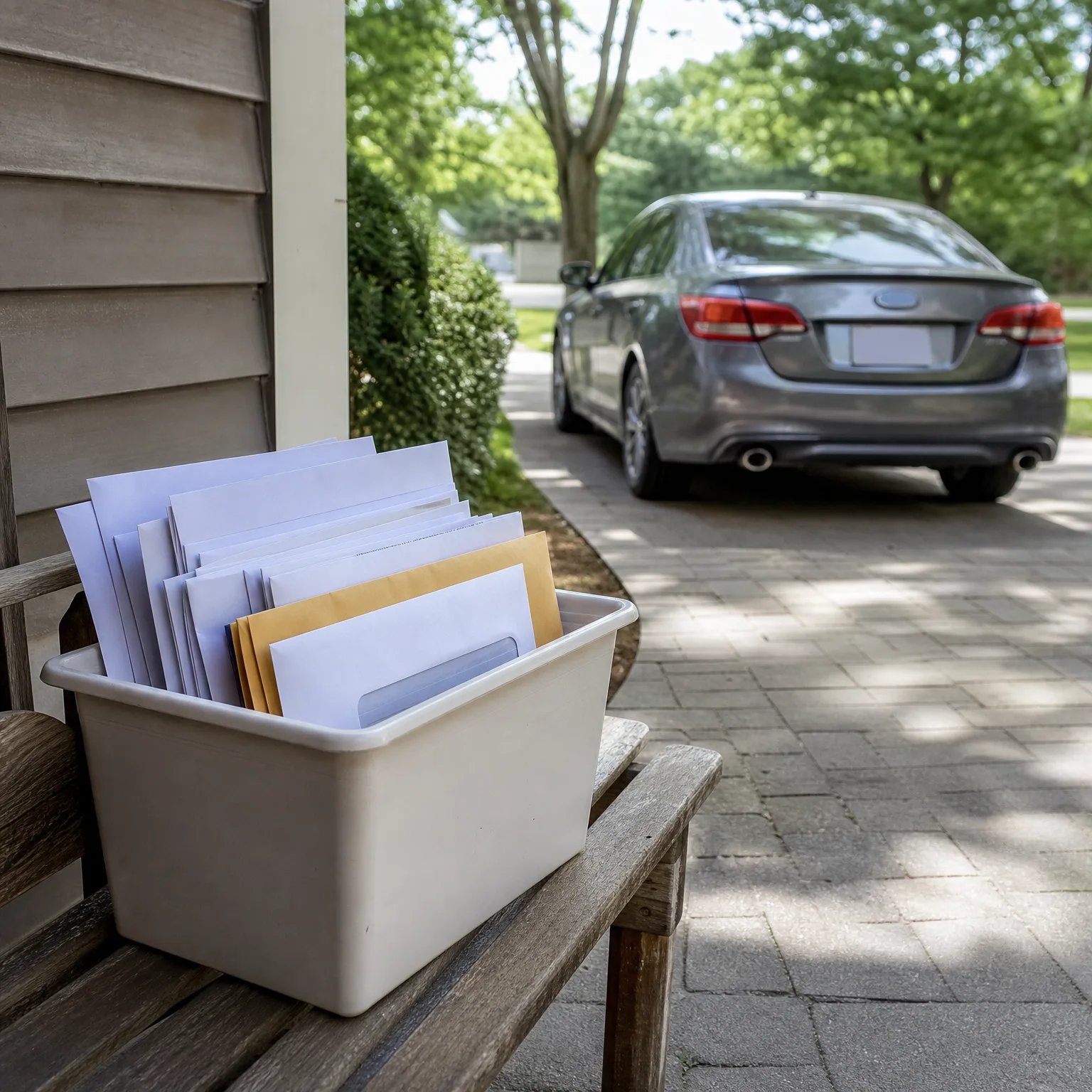
An insurer's first question is what's on the record, not what's on the birth certificate. A ticket, an at-fault accident, or a claim from the last few years will affect the premium far more than age by itself.
If your parent hasn't had a moving violation or claim in a long while, that history works in their favor no matter how old they are. It's worth pulling their current policy's declarations page and checking what's listed, since insurers sometimes carry forward an old violation past when it should have dropped off.
If there has been a recent incident, mention it directly when comparing quotes. Insurers price what they know about. Leaving it out doesn't help, since they'll find it when they run a motor vehicle report.

Pennsylvania doesn't require a retest, but your parent's doctor or the DMV can get involved
Pennsylvania doesn't set an age at which drivers must retake a road test or vision exam. What can trigger a review is a report from a physician, a police officer, or a family member to PennDOT raising a concern about someone's fitness to drive. That can lead to a medical review, which may result in restrictions on the license.
If your parent's license carries a restriction, such as daytime-only driving or corrective lenses, that has to match what's on the insurance application. A mismatch can cause problems with a claim later.
Some insurers offer a lower rate for completing an approved mature driver course. If your parent takes one, ask the insurer directly what they need to see, since usually it's the completion certificate, not just the fact that the course was taken.
Questions people ask about this
Should elderly parents be on their own policy or added to a family policy?
Either can work, and the better choice depends on who owns the car and where everyone lives. If your parent owns their car and lives at a separate address, they generally need their own policy. If they live with you and share a vehicle, ask the insurer whether adding them to your existing policy or keeping them separate costs less, since the answer varies by insurer.
Can an insurance company drop an elderly driver in Pennsylvania?
An insurer can choose not to renew a policy, but Pennsylvania requires advance written notice before they do. If your parent receives a non-renewal notice, ask the insurer for the specific reason in writing, and start shopping right away since gaps in coverage make the next policy more expensive.
Does a mature driver course actually lower the premium?
It can, but only if the insurer offers that discount and your parent sends them proof. Ask the current insurer before enrolling whether they recognize the course and what certificate or form they require, so the paperwork isn't wasted.
What happens to car insurance if a parent's license gets restricted?
The policy needs to reflect the restriction exactly as it appears on the license. Call the insurer when a restriction is added, tell them what it is, and confirm the policy is updated, since a claim could be denied if the insurer finds the driver wasn't complying with their license terms.
Is it cheaper to remove an elderly parent from driving and keep them as a listed non-driver?
Sometimes, if they no longer drive regularly. Ask the insurer whether listing them as an excluded or occasional driver changes the premium, and understand that excluding someone means any claim while they're driving that car won't be covered.
Compare what other insurers would charge for your parent's situation before the current policy renews.

Pull your parent's current declarations page and note the listed violations, claims, and any license restrictions. Call PennDOT or check their online portal if you're unsure whether a restriction is on file. Before you request quotes, ask your parent's current insurer directly what discounts they offer for a driver course and what they need to apply it. Then compare quotes using the exact same details, record, restrictions, and car, so the prices you see are for the same risk. If a renewal notice already came with a higher price, call that insurer first and ask what changed.