How to Get an Old Person to Stop Driving
It usually takes a specific plan and a doctor or the DMV behind you, not just a family conversation.
Free to compare
You need evidence, a plan for what replaces driving, and often someone outside the family
Most older drivers who give up the keys do it because something concrete pointed to it, not because a relative asked them to. That might be a doctor's recommendation, a failed vision test, a documented string of near misses, or a report filed with the state. A family's worry, on its own, rarely changes someone's mind. It can even make them defensive and more determined to keep driving.
What tends to work is pairing a specific, documented concern with a real alternative for getting around. Someone who stops driving and has no other way to reach the grocery store, the pharmacy, or their friends will fight the decision harder and longer. Someone who has rides lined up has less to lose by agreeing.
Whether a doctor or the DMV is involved changes everything
A family member saying 'I think you should stop driving' carries less weight than a doctor saying it, because the doctor's opinion is harder to argue with and doesn't come loaded with family history. If the driver has a doctor they trust, ask that doctor to raise the subject directly, or to document any condition that affects driving, such as vision changes, slowed reaction time, or medication side effects. Some states let doctors report a patient to the DMV when driving is no longer safe.
The DMV itself can also require a driver to retest. Anyone, including a family member, a doctor, or law enforcement, can usually file a report asking the DMV to review a specific driver. The process and the evidence required are set by the state, so check with the driver's state DMV for how to start one and what happens after a report is filed.
A retest or medical review carries more authority than a family argument because it comes from an outside party with the power to actually suspend a license. It also gives the older driver a face-saving reason to stop. Losing a license because of a test is different, in their mind, from being talked out of driving by their kids.
If you go this route, keep a plain record of specific incidents: a scrape on the car, getting lost on a familiar route, a near miss at an intersection. Specifics persuade a doctor or a DMV reviewer. General worry doesn't.
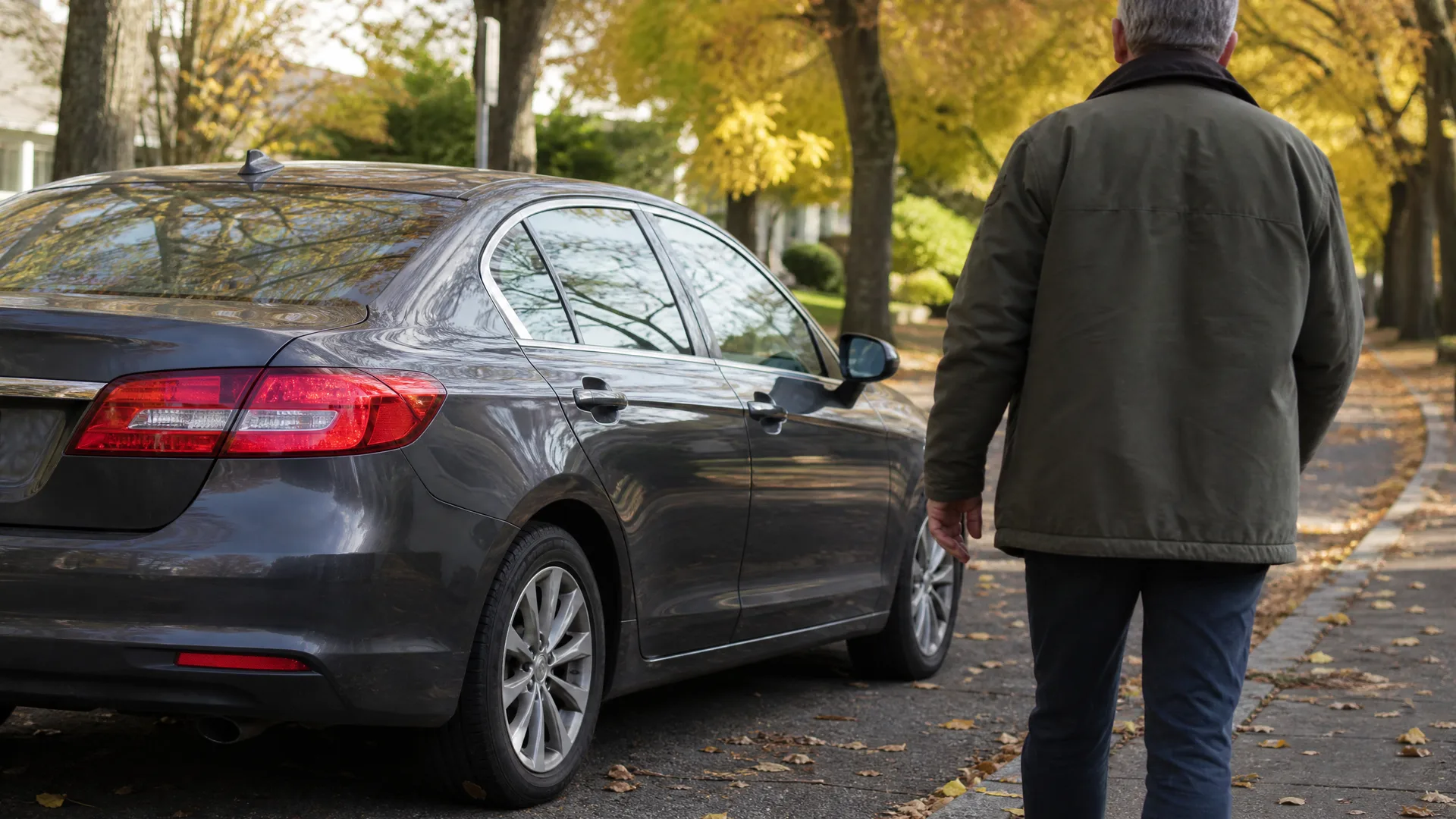
What replaces the car matters as much as the decision to stop
Giving up driving means giving up a routine, not just a vehicle. Before pushing the issue, have an answer ready for how the person will get to the places they actually go: medical appointments, church, the homes of friends, the grocery store. Some areas have senior transportation services, volunteer driver programs through local agencies on aging, or reduced-fare transit for older riders. Family members taking turns driving also works, but only if it's planned out in advance, not improvised after the fact.
Money often comes up at this point too. A car sitting unused still costs something to insure and maintain, and that's worth mentioning if cost is part of what's holding the decision back. Canceling the policy or reducing coverage to comprehensive-only, if the car stays parked, is a conversation to have with the insurer once driving has actually stopped.
People who stop driving and lose their main way of getting around tend to become isolated quickly, and that isolation itself has consequences. Treating the ride plan as part of the decision, not an afterthought, makes the whole conversation easier and makes the outcome more likely to stick.
Questions people ask about this
Can a doctor report an unsafe older driver to the DMV?
In many states, yes, and in some states it's required under certain conditions. The rules on who can report, what triggers a report, and what the DMV does next are set by the state, so ask the driver's doctor or the state DMV directly how it works where they live.
What happens after someone files a report asking the DMV to retest a driver?
The DMV typically reviews the report and may require the driver to take a vision test, a written test, or a driving test, but the exact process depends on the state. Contact the state DMV to find out what evidence they need and what the driver can expect once a report is filed.
How do you take the car keys away from a parent who refuses to stop driving?
Taking the keys directly rarely works if the person still has a valid license, because they can get another set made or drive a different car. A DMV-mandated retest or a doctor's recommendation carries more weight than removing the keys yourself.
Does a car still need insurance if an older driver stops driving it?
A parked car generally still needs some coverage unless it's formally taken off the road, but the right level of coverage depends on the insurer and whether the car will be driven again. Ask the insurer about reducing to comprehensive-only coverage once the car is no longer being driven.
What are the warning signs that an older driver should stop driving?
Common signs include getting lost on familiar routes, new dents or scrapes on the car, slower reaction times, trouble with vision or hearing, and confusion at intersections or with traffic signals. A doctor can evaluate whether a specific medical condition or medication is affecting driving ability.
If the car will sit unused or get driven less, it's worth seeing what that does to the cost of covering it.
Start by writing down specific incidents, not general impressions, since specifics are what a doctor or the DMV will act on. Talk to the driver's doctor about raising the subject directly or documenting a condition that affects driving. Call the state DMV to ask how a driver review or retest works in that state. At the same time, line up a real transportation plan, whether that's a family schedule, a local senior ride service, or public transit, so the decision to stop driving doesn't leave the person stranded. Once driving actually stops, contact the insurer about adjusting the policy to match how the car will be used.