
Is My Parent Underinsured
The way to know is to compare what their policy covers against how they actually drive now, not how they drove when they bought it.
Free to compare
Most likely underinsured if the policy hasn't changed in years
A policy that was right five or ten years ago can be wrong now, because the coverage didn't change even though the driving, the car, and the risk did. Liability limits that felt generous when they were set can be thin against today's repair and medical costs. That's true for any driver, at any age.
For an older driver specifically, the gap tends to show up in two places. One is liability limits that are too low if a serious accident happens and someone gets hurt. The other is coverage that doesn't account for reduced mileage, a change in health, or a car that's older and worth less than the policy assumes. Whether either of those applies depends on the specific policy, so the only way to know is to pull it out and read it.

What the policy actually says versus what it used to say
Start with the liability limits. These are the numbers that matter most if your parent causes an accident that injures someone or damages expensive property. A limit that was adequate years ago may not cover a serious claim today, and if it doesn't, your parent is personally on the hook for the rest.
Check whether the policy still lists the right car. If your parent sold a car, bought a different one, or drives less than they used to, the policy should reflect that. An insurer pricing a policy around an old car or old mileage numbers is either overcharging or miscovering, and neither helps your parent.
Look at the deductibles too. Some people raise them years ago to lower the premium, then forget they did it. A high deductible is fine if your parent can cover it without strain. It's a problem if a claim would now be a financial hardship.
If your parent has had any changes in health that affect driving, mention it honestly when reviewing the policy with their insurer or agent. Some states require it to be disclosed, and insurers ask different things at renewal. What's required varies by state and by insurer, so ask directly rather than guessing.
What's often missed because nobody's looking
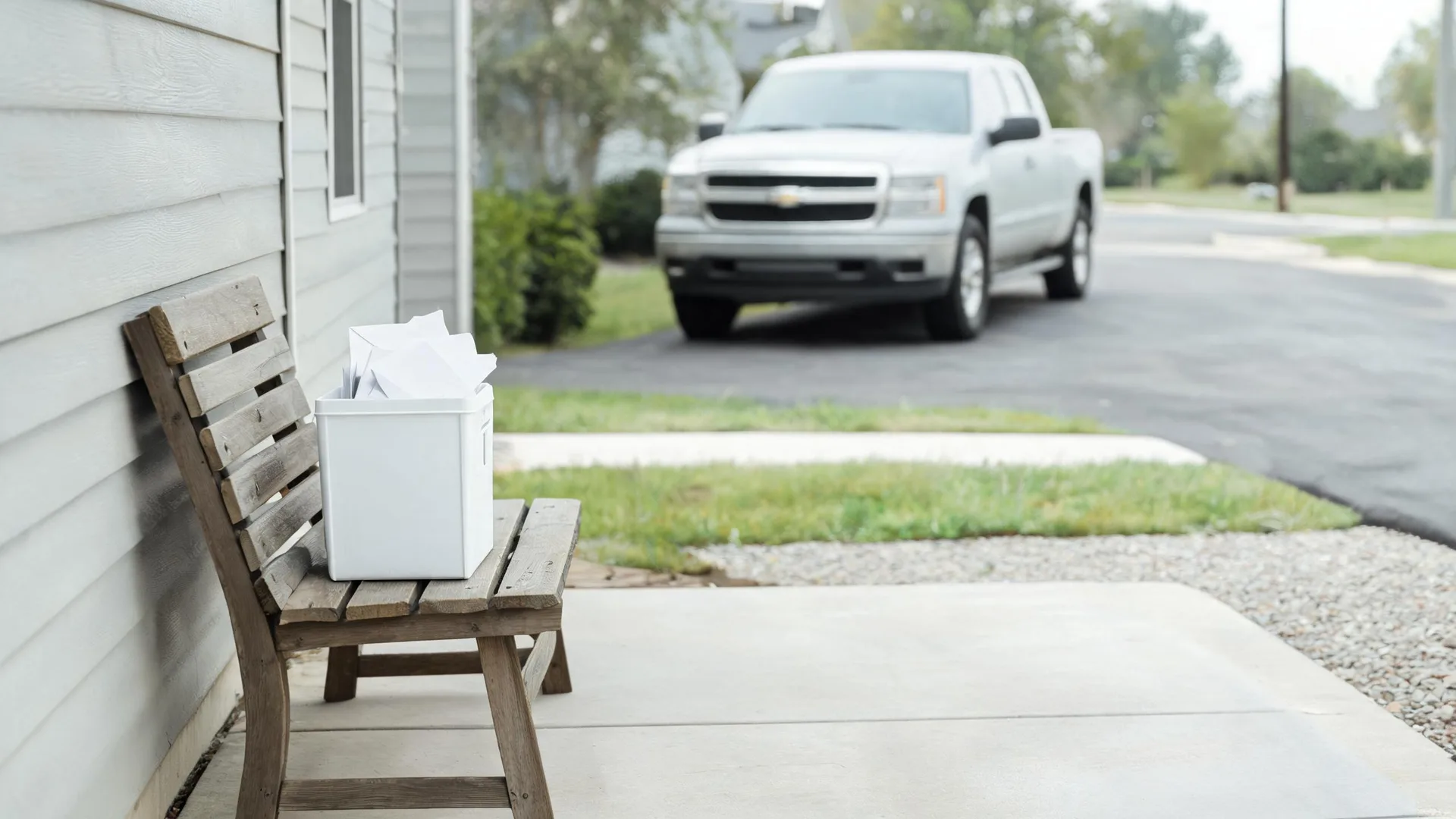
A lot of underinsurance isn't a bad decision, it's just a policy nobody has looked at in a long time. Renewals often go through automatically, year after year, with no one checking whether the coverage still matches the person.
One thing worth checking is whether your parent still qualifies for discounts they used to get, or could now get ones they didn't have before. Many insurers offer a discount for completing a defensive driving or mature driver course, but the insurer usually won't apply it unless someone sends them the completion certificate. If your parent took a course and never sent it in, they may be paying more than they need to.
Another thing to check is whether the policy still fits how your parent actually drives. If they're driving far less than they used to, some insurers have lower-mileage pricing that wasn't available or relevant before. If they stopped driving on highways, or only drive locally, that's worth mentioning when you call.
Finally, ask whether the policy is bundled with anything else, like a home or umbrella policy, in a way that affects the numbers. Sometimes a policy looks expensive on its own but is priced as part of a bundle, and separating it out changes the comparison entirely.
Questions people ask about this
Should I be on my parent's car insurance policy?
Not necessarily, it depends on whether you drive their car regularly and what their insurer requires. Some insurers want any regular driver in the household listed on the policy, whether or not they're related. Ask the insurer directly what their rule is, since it varies by company and sometimes by state.
What happens if my parent cancels their car insurance by mistake?
A lapse in coverage, even briefly, can mean a period where your parent is driving uninsured, which carries real risk if anything happens during that gap. It can also affect their rate when they get new coverage, since insurers look at whether coverage was continuous. If you think a lapse happened, contact the insurer right away to find out what coverage, if any, was in place.
Does my parent's car insurance cover me if I borrow their car?
Usually yes if you're an occasional driver with their permission, but this depends on the specific policy and the insurer. If you drive their car often, some insurers want you listed as a regular driver rather than relying on permissive use. Ask the insurer to confirm how they'd treat a claim if you were driving.
What is a mature driver discount and does my parent qualify?
It's a discount some insurers offer to older drivers who complete an approved defensive driving course, but not every insurer offers it and the requirements differ. Your parent would need to check with their own insurer whether they qualify and which courses count. If they already took a course, the insurer usually needs the completion certificate sent in before the discount applies.
How often should my parent review their car insurance policy?
There's no fixed schedule, but a review makes sense anytime something changes, a car is sold or bought, mileage drops, health changes, or a renewal notice shows a different price than expected. Many people never revisit a policy unless something prompts them to, which is often how coverage falls out of step with the actual situation. Comparing the current policy against a few quotes is a reasonable way to see where it stands.
See what other insurers would charge for the same coverage your parent has now.
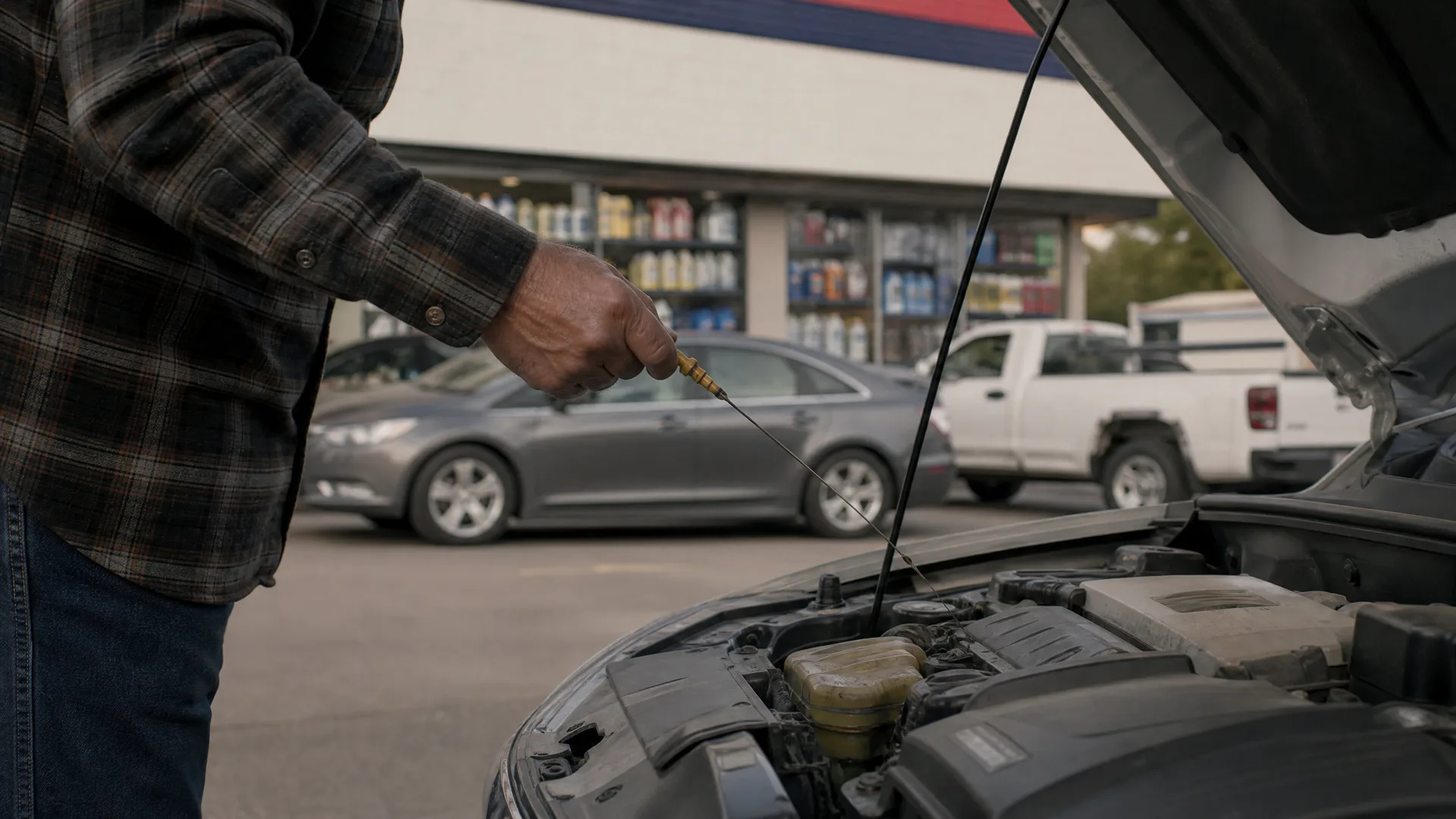
Get your parent's current policy in hand and read through the liability limits, deductibles, and listed vehicle before doing anything else. Make a short list of what's changed since the policy was last updated, things like mileage, health, or whether they still drive the same car. Call their insurer or agent and ask directly whether any discounts apply that aren't currently on the policy, including a mature driver course discount if your parent has ever taken one. Ask what would happen to the rate if mileage or usage were updated to reflect how your parent drives now. Once you know what the current policy actually says, you'll have something real to compare against other quotes.