Signs Your Parent Should Stop Driving
The clearest signs are physical, not just behind the wheel: new dents, missed turns, slower reactions, and a car that keeps collecting small scrapes.
Free to compare
Look for a pattern, not one bad day
A single mistake doesn't mean much. Everyone misses a turn or brakes too hard once in a while. What matters is a pattern: new dents or scrapes on the car that weren't explained, a ticket or a near miss, getting lost on a route they've driven for years, or other drivers honking more than they used to.
The other signs show up outside the car. Vision and hearing changes, slower reflexes, medication that causes drowsiness or confusion, and stiffness that makes it hard to turn and check a blind spot all affect driving before they show up anywhere else. If you've noticed any of these, the driving itself is usually already affected.
What the car itself tells you
Walk around the car every so often and look for damage that wasn't there before. A dent on the bumper, a scraped mirror, or a scuff on a curb-side wheel are the kind of thing a driver often doesn't mention because they didn't think it was serious, or don't remember exactly how it happened.
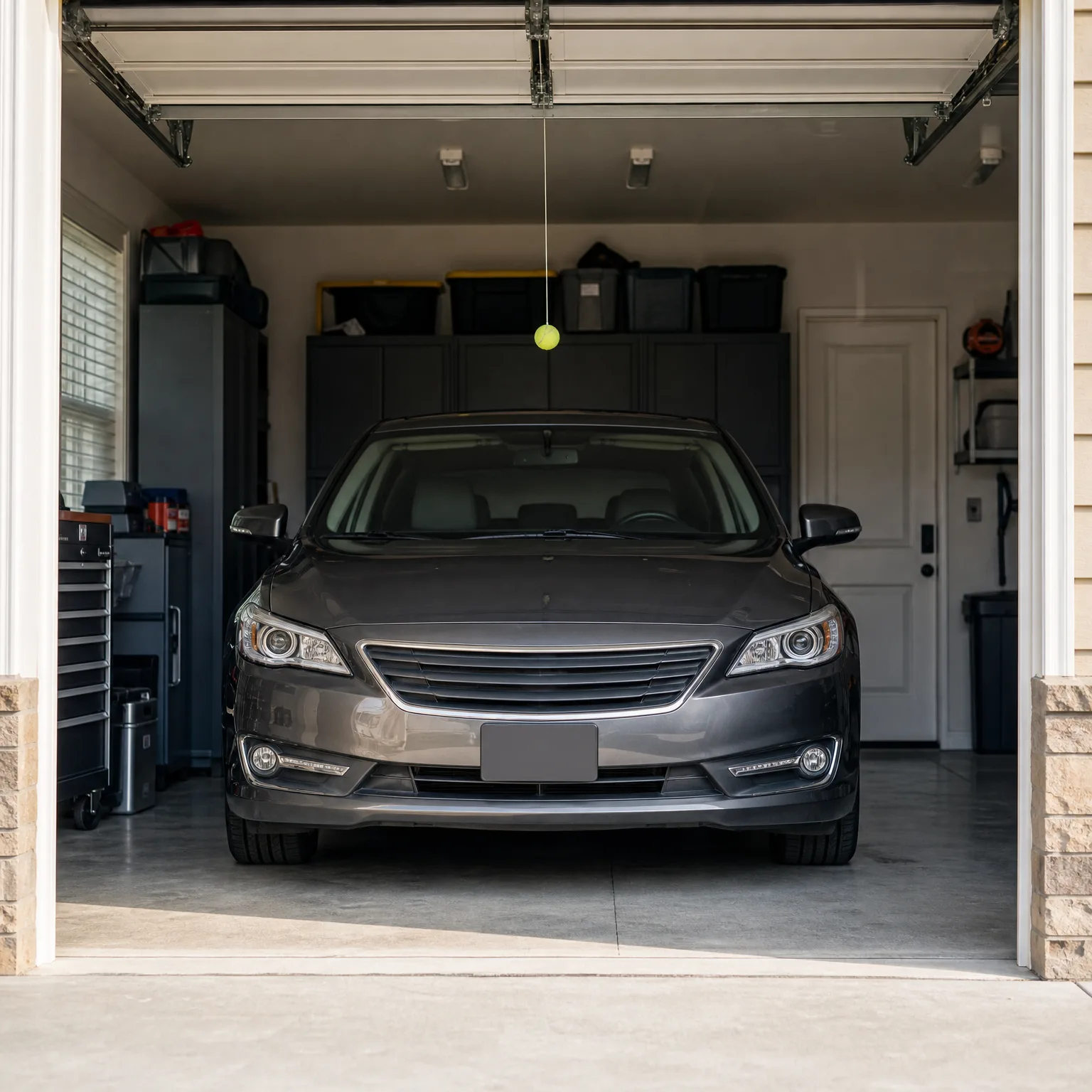
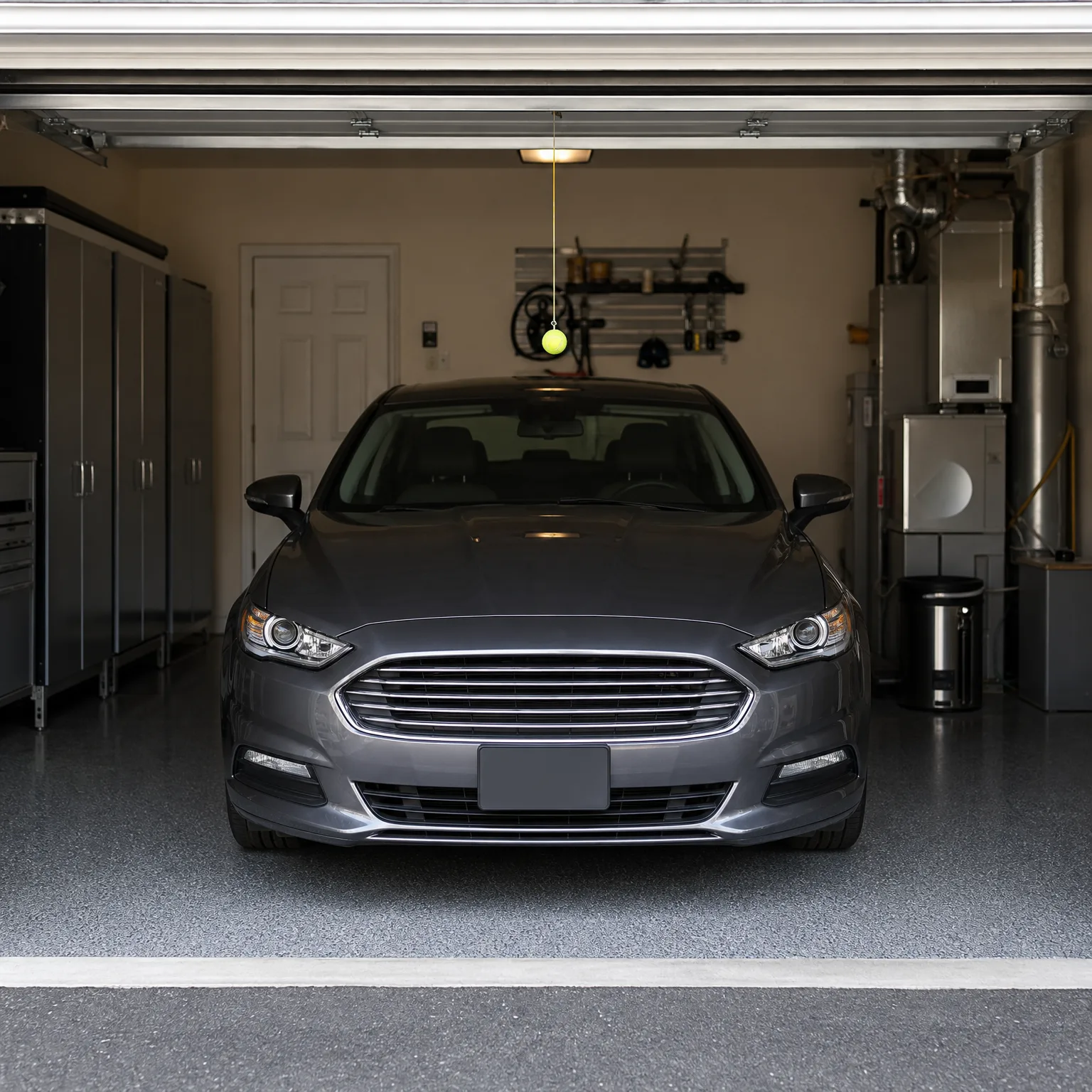
Check for other small signs too. Tires that have worn unevenly can mean the car is drifting in the lane without the driver noticing. A garage door or mailbox with new scrapes near it says the same thing.
If you ride along, pay attention to how they handle things that used to be automatic. Hesitating at a green light, braking too late, drifting over the center line, or confusing the gas and brake are all more telling than how they drive on a straight, empty road.
None of this proves they need to stop. But it tells you where to look closer, and it gives you something concrete to bring up instead of a vague worry.

What most families get wrong
Most families wait for one dramatic event, a serious crash or getting lost for hours, before they act. By the time that happens, the smaller signs have usually been there for a while.
The other common mistake is treating it as one conversation that settles the issue. It rarely works that way. It's usually a series of smaller conversations, often alongside a doctor, that leads to a decision. A doctor can assess vision, reaction time, and medication effects in ways a family member driving alongside them cannot.
Some states also have ways to flag a driver for reevaluation, often through the DMV, sometimes triggered by a family member, a doctor, or a police report. The process and what counts as cause varies by state, so check with your state's DMV for how that works where your parent lives.
It also helps to have an alternative ready before you raise the subject. A plan for rides, errands, or transportation services makes the conversation about what comes next, not just about what they're losing.
Questions people ask about this
How do I talk to my parent about giving up driving?
Start with specific examples, not a general concern. Mentioning the dent in the bumper or the ticket last month gives them something concrete to respond to, rather than a feeling you have. It also helps to involve their doctor, since a medical opinion often carries more weight than a family member's judgment alone, and to have a transportation plan ready so the conversation is about what comes next rather than just what they're losing.
Can a doctor report an unsafe driver to the DMV?
In many states, yes, though the exact process is set by the state. Some states require doctors to report certain conditions, others allow it but don't require it. Ask your parent's doctor whether they're able to do this, and check your state's DMV site for how a medical reporting or reevaluation process works there.
Will my parent's car insurance go up if they have a car accident at an older age?
An accident affects a policy's rate the same way at any age, through the insurer's own rules for at-fault claims. Age by itself isn't the deciding factor. If you're concerned about cost after an incident, ask the insurer directly how a claim would affect the policy.
What are the options if my parent needs to stop driving?
The right option depends on where they live and what's nearby. In some areas that means rideshare apps, a senior transportation service, or a community shuttle. In others it means relying more on family or neighbors. It helps to test an option together before the car is gone, so it already feels familiar when it becomes the main way they get around.
Does a senior have to retake a driving test to renew their license?
This depends entirely on the state. Some states require vision tests, written tests, or in-person renewal at certain ages, others don't change the process at all. Check your parent's state DMV site for their specific renewal rules.
If your parent is still driving, compare quotes to see how their policy looks today.
This week, walk around the car and look for damage that wasn't there before, and think back on any tickets, warnings, or near misses from the past year. Call their doctor's office and ask whether a driving-related evaluation, such as a vision or cognitive check, makes sense at the next visit. Look into what transportation options exist near them, whether that's a rideshare app, a local senior shuttle, or family members who can help with rides, so you have something concrete to offer if driving does need to stop. If your state has a DMV reevaluation process, find out what it involves before you need it. Keep the conversation going in smaller pieces rather than saving it for one big talk.