
What Are the Signs That an Elderly Person Is Declining
A single slip isn't decline. A pattern of new mistakes in driving, memory, or daily care usually is.
Free to compare
Look for a pattern, not one bad day
The clearest sign of decline is a change from how someone used to be. New dents on the car. Missed exits on a familiar route. Forgetting to pay a bill they've never missed before. Any one of these could be nothing. Several of them together, over a few months, usually mean something is changing.
What makes this hard is that the person declining is often the last to see it, and family members see them only occasionally, so the change looks sudden when it's really been building. Someone who sees them daily, or a doctor who sees them yearly, is often in a better position to judge than someone who visits twice a year and compares today to a memory from childhood.
Driving is often where it shows up first
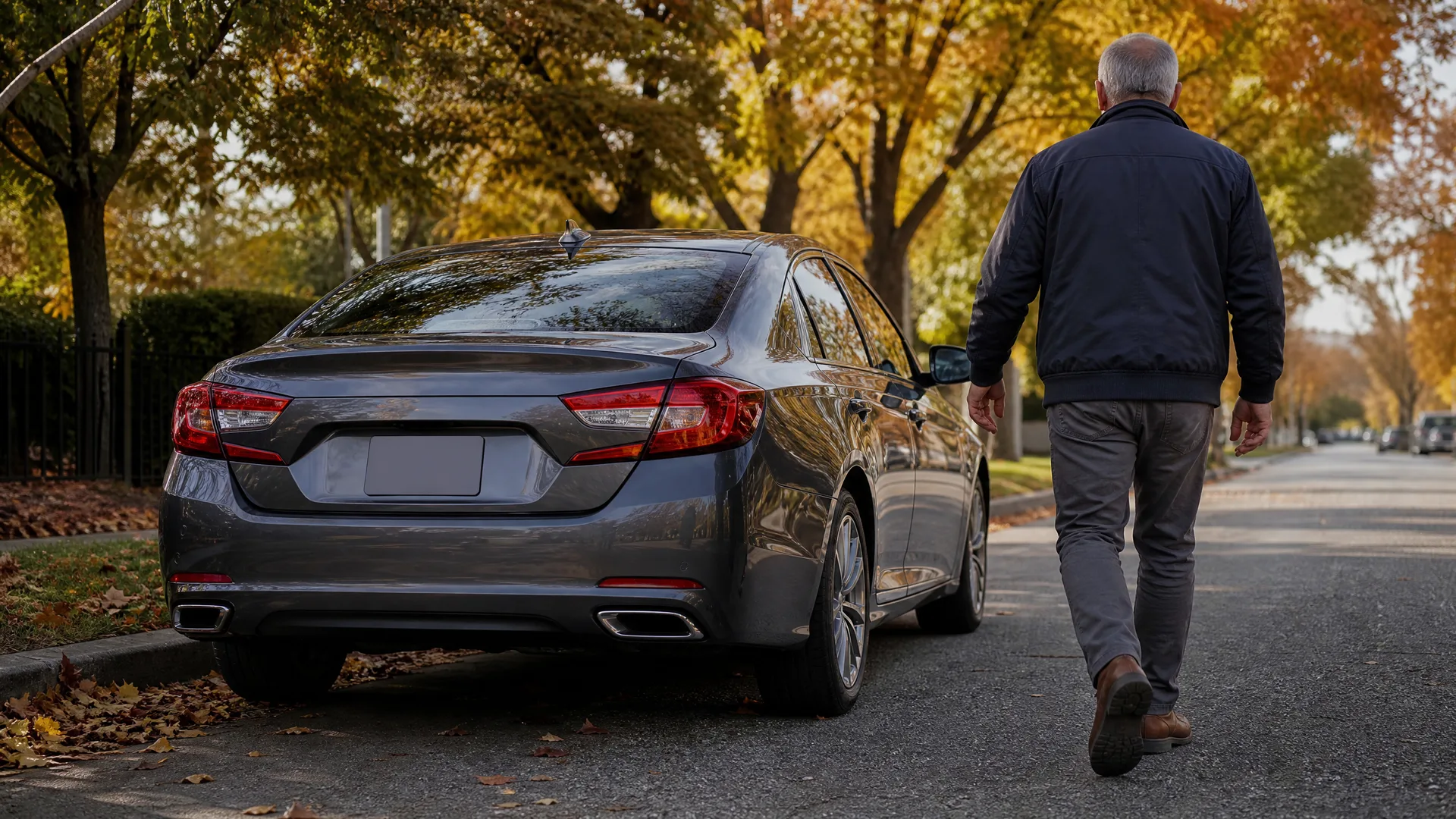
Driving uses memory, vision, reaction time, and judgment all at once, so it's often the first place a decline becomes visible even before it shows up anywhere else. New scrapes on the car. Getting lost on a route they've driven for years. Confusion at intersections they used to handle without thinking. Driving slower than the flow of traffic in a way that's new for them.
A sign worth taking seriously is when the person themselves starts avoiding situations they used to handle without a second thought. Avoiding highways. Avoiding driving at night. Avoiding left turns. People often make these adjustments quietly, without announcing them, because some part of them has already noticed the change.
If you're not sure what you're seeing is new, ask someone who rides with them regularly, or ask their doctor whether a driving evaluation makes sense. Many states have a process for this, and it's worth checking what your state's DMV asks for before raising it as an accusation rather than a question.
What happens off the road matters as much as what happens on it
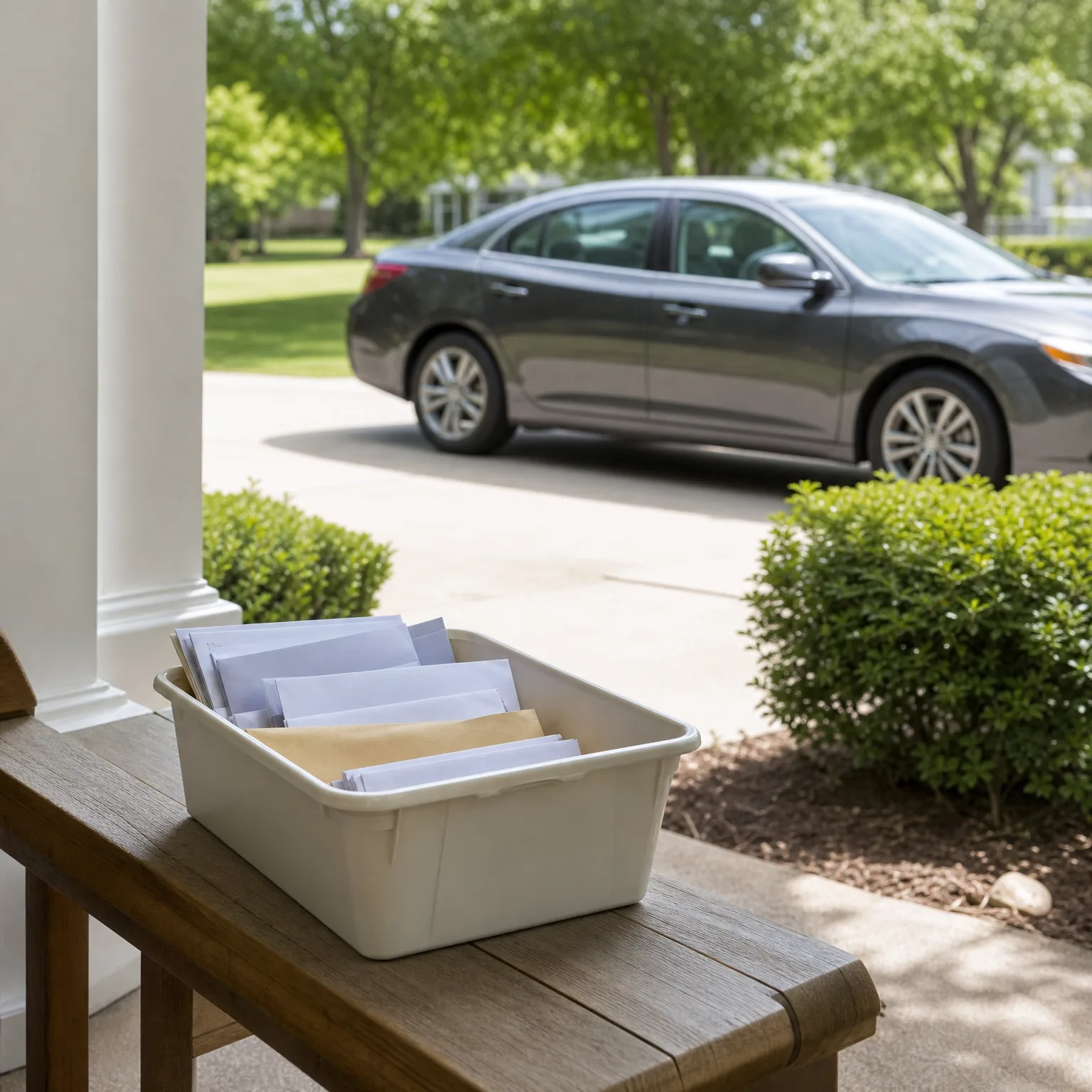
Decline rarely stays contained to one area of life. If driving is getting harder, it's worth checking whether the same is true of cooking, managing medication, or keeping track of appointments. Spoiled food left in the fridge. Prescriptions taken at the wrong time or not at all. Bills paid twice or not paid.
Mood and personality changes count too. Someone who was easygoing and becomes irritable, or someone who withdraws from activities they used to enjoy, is showing a change even if nothing about their physical coordination has changed at all.
The reason this matters for driving specifically is that these are often the same abilities a person needs behind the wheel. Someone struggling to track a medication schedule may be struggling in the same way to track a traffic signal or a speed limit. The two aren't separate problems. They're often the same problem showing up in different parts of the day.
Questions people ask about this
How do I talk to my parent about giving up driving?
Start with specific observations rather than a general accusation, since specifics are harder to dismiss and easier to discuss calmly. Mention the dent, the missed exit, the near miss, not a vague sense that something is wrong. It often helps to frame it as a conversation about what they need to stay safe and independent, rather than a verdict already decided. A doctor or a formal driving evaluation can carry more weight than a family member's opinion alone, since it removes the sense that one relative is making a unilateral call.
Can a doctor report an unsafe driver to the DMV?
In many states, a doctor can file a report, and in some states they're required to under certain conditions, but the rule is set by the state and varies. If you're concerned, ask the person's doctor directly what their state requires and what the reporting process looks like. The DMV in that state can also explain what happens after a report is filed, including whether a retest or evaluation gets scheduled.
What is a driving evaluation and who does them?
A driving evaluation is an assessment, usually done by an occupational therapist who specializes in driving or through a program connected to a hospital or rehab center, that tests reaction time, vision, judgment, and actual driving skill. It's different from a standard DMV road test because it's designed to catch the kinds of changes that come with age or illness. A doctor can usually provide a referral, and some DMVs keep a list of local evaluators.
Does memory loss always mean someone should stop driving?
Not by itself. Mild forgetfulness is common with age and doesn't automatically mean someone is unsafe behind the wheel. What matters more is whether the memory issue affects things like recognizing familiar routes, remembering traffic rules, or staying oriented while driving. A doctor or a driving evaluation is better positioned to make that distinction than a family member guessing from the outside.
What should I do if my parent refuses to stop driving?
This is common and there's no single fix, but a few approaches tend to work better than arguing. Involving a doctor, a trusted friend, or a formal evaluation often carries more weight than a family member's request alone. Some families gradually reduce access to a car rather than asking for an abrupt stop. If safety is an immediate concern, you can also contact your state's DMV to ask what options exist for requesting a re-examination.
If you're helping a parent through this, their insurance is one of the few things in this situation you can actually compare and adjust.

If you've noticed signs of decline, the first concrete step is usually a doctor's visit, since a doctor can evaluate what's actually changing and refer the person for a formal driving evaluation if needed. Write down specific incidents beforehand, with dates if you can, rather than relying on a general impression. Check your state's DMV website for what their process involves if a reassessment becomes necessary. If driving does stop or scale back, it's also worth reviewing the auto policy, since a change in how often or how far someone drives can change what coverage makes sense and what it costs.