
What Can I Do if My Elderly Mother Expects Too Much from Me
This is a family situation more than an insurance one, though the two often end up tangled together.
Free to compare
Start by separating the two problems
What your mother expects from you and what she needs for her safety and independence are two different questions, and they call for different conversations. One is about your time, your limits, and what you're able to give. The other is about whether she can still get where she needs to go safely, and what happens if driving becomes part of that picture.
This site is built around the second kind of question, the practical ones about her car insurance, her policy, and what changes as she gets older. If the expecting-too-much part of this is about rides, appointments, or errands, some of what follows may still help, because insurance and driving decisions are often where these family tensions show up first.

If driving her places is part of what she expects
A lot of what adult children describe as a parent expecting too much turns out to be about transportation. She can't drive herself anymore, or she can but you worry about it, and suddenly you're the backup plan for every appointment and errand.
If she's still driving and you're unsure whether she should be, her insurer won't make that call for you, and neither will the DMV until something forces the issue. Some states have more frequent renewal requirements or vision tests for older drivers, and some require a road test. Check with your state's licensing agency to find out what applies to her.
If she's stopped driving or is about to, her car insurance situation changes too. A policy with no regular driver still needs to be addressed, whether that means reducing coverage, removing her from a household policy, or canceling it outright. Letting a policy sit unused isn't free, and it isn't doing anything for her either.
If part of what she expects is that you'll just drive her everywhere, that's worth naming out loud as its own conversation, separate from anything about insurance or licensing.
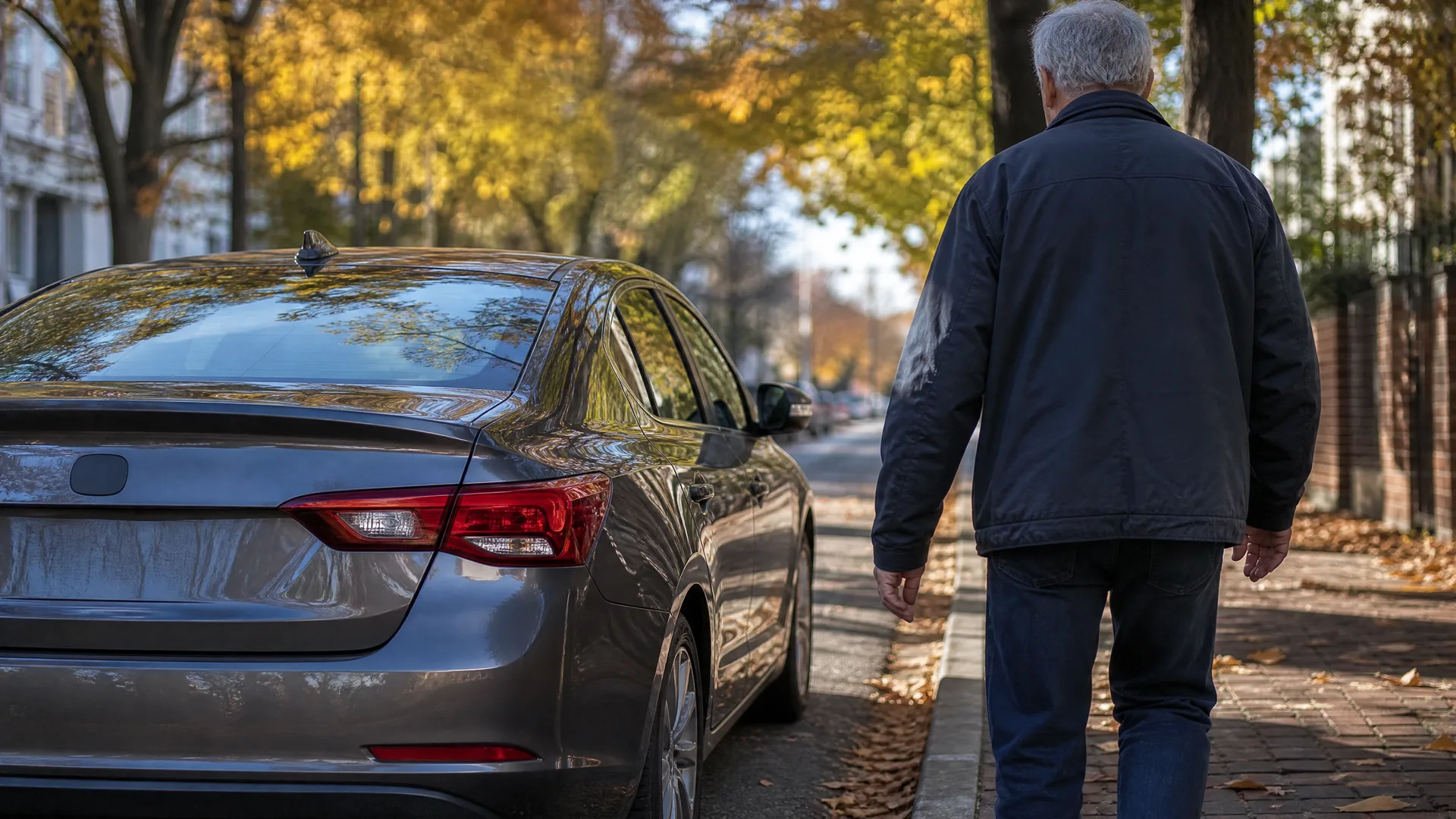
If the expectations are about more than driving
If this is really about her calling constantly, needing help with everyday tasks, or treating your time as always available, that's a caregiving and family dynamics question, not an insurance one. An insurance page won't solve it, and it would be dishonest to pretend otherwise.what usually helps in that situation is talking with her doctor, a geriatric care manager, or a family counselor who works with aging parents and adult children. Area Agencies on Aging, which exist in most counties, can also point you toward local support and respite resources.
It's worth asking whether her expectations have shifted because something else has changed. A decline in her health, growing isolation, or fear about losing independence can all show up as someone asking more of the people around them. That doesn't make the demands easier to carry, but it can change how you respond to them.
If you're also managing her insurance, her finances, or her medical care, that's worth acknowledging as real work, not just something you do on the side. Some families bring in a professional, like a fiduciary or care manager, specifically to take some of that off one person's plate.
Questions people ask about this
Should my elderly mother still be driving?
That depends on her vision, reflexes, and judgment, not just her age. Watch for new dents on her car, getting lost on familiar routes, or close calls she downplays. Her doctor can also raise driving safety during a checkup if you ask them to.
How do I get my elderly parent to stop driving?
Most people find it goes better as an ongoing conversation than a single confrontation. Involving her doctor or an occupational therapist who does driving evaluations can make it feel less personal. Some states also allow a family member to request a reevaluation through the DMV.
What happens to car insurance when an elderly parent stops driving?
The policy needs to be updated, not just left alone. Depending on the situation, that might mean removing her as a driver, lowering coverage if the car sits unused, or canceling the policy if the car is sold. Her insurer can walk through the options once the driving situation is settled.
Can I make decisions about my mother's car insurance for her?
Only if you're authorized to, usually through a power of attorney or by being listed on the policy yourself. Otherwise the insurer will only discuss her policy with her. If she's willing, adding you as an authorized contact can make this easier going forward.
How do I set boundaries with an aging parent without feeling guilty?
This is a personal and family question more than a practical one, and a family counselor or caregiver support group is better equipped to help than a general guide. What tends to help is being specific about what you can and can't do, rather than leaving it vague. Guilt often eases once there's a clear, honest plan in place instead of an open-ended obligation.
If part of this involves her car insurance or her policy as a driver, it helps to know what her coverage actually looks like right now.
Find her most recent insurance renewal notice or declarations page and see who's listed as a driver and what coverage is active. If she's no longer driving regularly, call her insurer this week to ask what her options are, since an unused policy may not need to stay as it is. If the bigger issue is her expectations of your time, consider writing down what you can realistically offer and bringing that to a conversation with her, possibly with her doctor or a care manager involved. If you're not sure whether she should still be driving, ask her doctor directly, since they can raise it as a medical question rather than a family argument. Keep the insurance and the caregiving conversations separate, even if they're happening in the same week.