Can a Doctor Stop an Elderly Person from Driving
A doctor can't pull a license directly, but a report to the state licensing agency can trigger a review that leads to one.
Free to compare
A doctor reports concerns, the state decides
A doctor doesn't have the authority to take away someone's driver's license. That power belongs to the state licensing agency, usually the DMV or its equivalent. What a doctor can do is file a medical report flagging a condition or impairment that affects driving, and some states require them to do this for specific conditions.
Once that report lands, the agency typically asks for a vision test, a road test, or a statement from the doctor about functional ability. The outcome, whether it's a restricted license, a required retest, or no action at all, depends on what the state finds, not on the doctor's opinion alone.
The state you live in sets the rules
Every state handles medical reporting differently. Some require doctors to report certain diagnoses, like dementia or seizure disorders, directly to the licensing agency. Others leave it to the doctor's judgment, and some states allow anyone, including family members, to file a concern.
This means the same conversation with the same doctor can lead to very different outcomes depending on where the patient lives. If you're trying to understand what happens next, the state's DMV website usually explains its medical review process and what triggers it.
It also means a doctor who says nothing isn't necessarily missing something. In states without mandatory reporting, many doctors address driving safety directly with the patient and family instead of filing paperwork.

What the review actually looks at
When a state does open a medical review, it's not just checking for a diagnosis. It's looking at function, things like reaction time, vision, memory, and how well the person handles a road test.
This is why two people with the same condition can get different results. Someone in early-stage cognitive decline might still pass a road test. Someone with a vision problem that's otherwise unremarkable on paper might not.
Family members sometimes expect the diagnosis itself to end the license. It doesn't work that way. The agency is assessing current ability, and the doctor's report is one input, not the final word.
Questions people ask about this
What happens after a doctor files a medical report with the DMV?
The agency typically opens a review and may request a vision test, written test, or road test. Some states also ask for additional documentation from the doctor about specific limitations. The timeline and process vary by state, so checking with the local DMV is the only way to know what to expect.
Can family members report an unsafe elderly driver themselves?
In many states, yes, family members or even concerned neighbors can file a report with the licensing agency, separate from anything a doctor submits. The state then decides whether the report warrants a review. Rules on who can file and how vary by state.
Does a dementia diagnosis automatically mean losing a license?
No, a diagnosis alone doesn't end a license. States evaluate current driving ability through testing, and some people in early stages still pass. The diagnosis may prompt more frequent reviews going forward, depending on the state's process.
Will insurance rates change after a license restriction?
A restricted license, like one limited to daytime driving, can affect how an insurer prices the policy, since it reflects a narrower driving pattern. How much it changes anything depends on the insurer, so it's worth asking directly rather than assuming.
Can an elderly driver appeal a DMV decision after a medical review?
Most states have some kind of appeal or re-examination process if a license is restricted or suspended after a medical review. The specific steps and deadlines are set by the state, so the agency that issued the decision is the right place to ask what the appeal involves.
If a license is being restricted or reviewed, it's worth seeing how that changes what you'd pay before you commit to a policy.
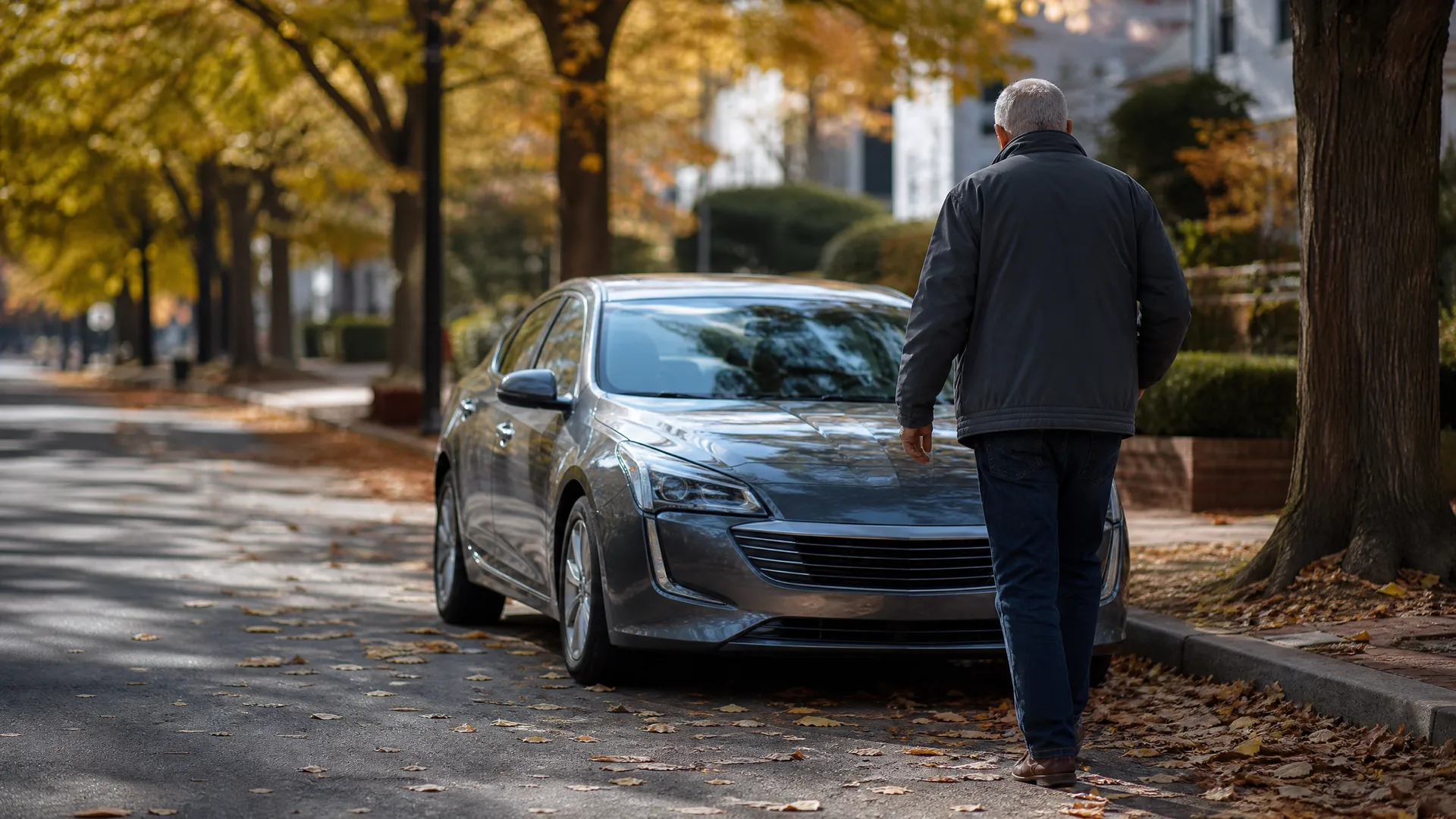
If you're a family member concerned about a parent's driving, start by asking their doctor directly whether they're required to report anything in your state, since the answer shapes what happens next. If you're the driver, ask your doctor what they documented in your chart about your driving ability, and request a copy of any report sent to the state. Either way, check your state's DMV website for its medical review or reexamination process, since that page usually lists what triggers a review and what tests follow. If a restriction does come through, call your insurer to ask how it affects your policy before your next renewal, rather than waiting for the renewal notice to tell you.