
When a Parent Stops Driving
The policy has to change too, and what happens to it depends on whether your parent still owns the car.
Free to compare
The insurer needs to know, and the policy needs to change
When a parent stops driving, tell the insurer. Don't just let the policy sit as it is, because a policy that still lists an active driver who no longer drives can cost more than it should, and in some cases it can create problems if anything happens to the car while it sits unused.
What changes depends on whether your parent still owns the car. If they keep it, the insurer can usually list them as an excluded driver or switch the policy to a lower-use or stored-car type of coverage. If the car is sold or given away, the policy on it can be canceled once the title transfers. Either way, the insurer makes this decision, not you, so the first step is a call to them.

What happens to the car decides what happens to the policy
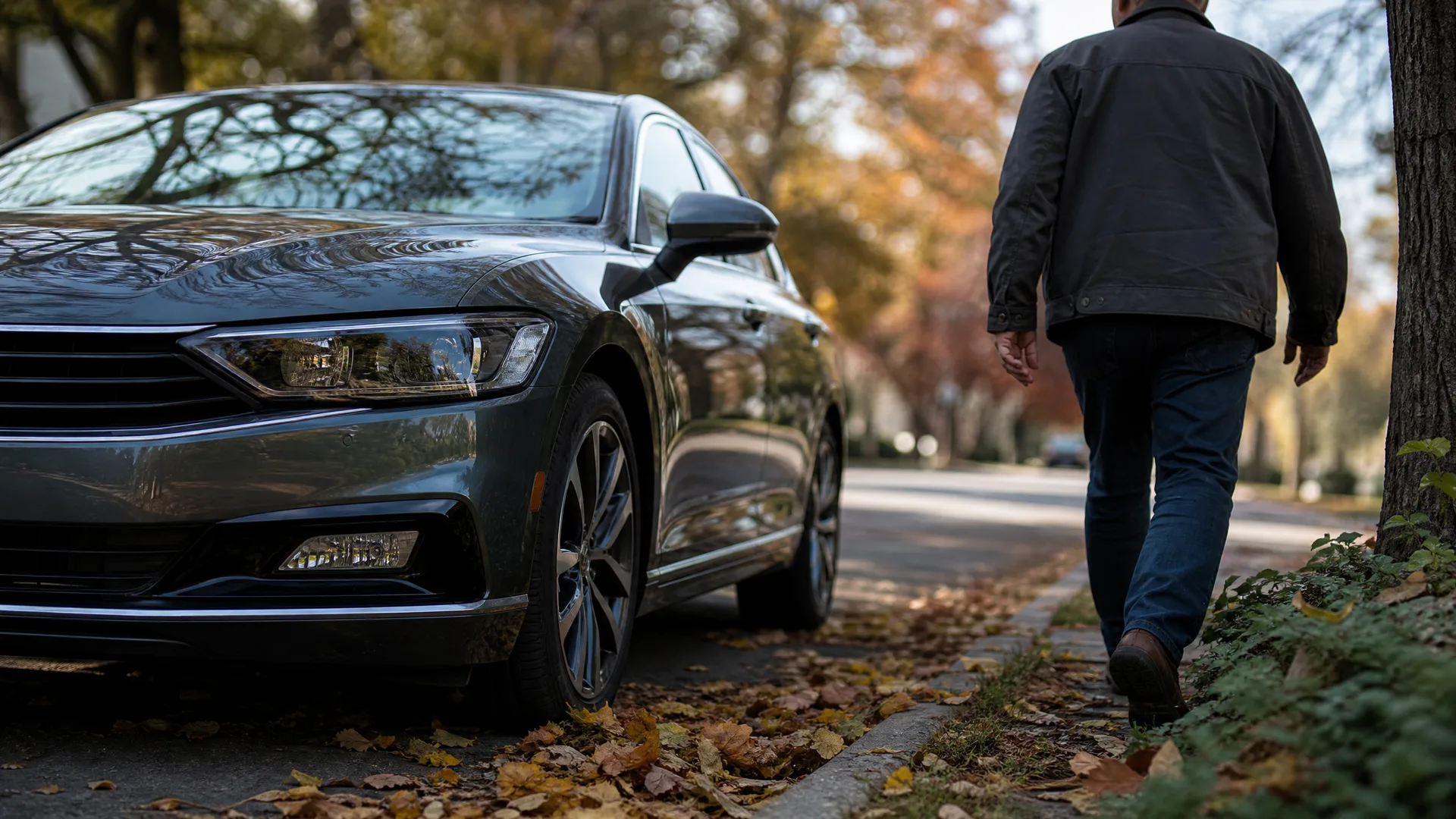
If your parent is keeping the car but not driving it, most insurers have a way to cover a vehicle that sits in a garage or driveway unused. This usually costs less than a full policy because it only covers things like fire, theft, or storm damage, not driving. Ask the insurer directly what this is called for them and what it covers, because the details vary by company.
If the car is going to another driver in the household, like a spouse who still drives, the policy may just need your parent removed as a driver. The car stays insured under the same policy, with the remaining driver as the primary one.
If the car is being sold, given to a family member, or donated, the policy on it can be canceled once that's done. Don't cancel it before the transfer is final. A car still needs coverage while it's titled to your parent, even if nobody is driving it that week.
If your parent has more than one car and stops driving entirely, each one needs this same decision made separately. An insurer won't assume what to do with a second car just because the first one changed.
The license matters as much as the car
An insurer looks at whether a named driver on the policy still has a valid license. If your parent's license is being surrendered or let it expire, tell the insurer that directly instead of leaving them listed as a driver with no current license. An excluded driver designation is the usual way to handle this. It means that person is on record as not driving the car, and the insurer won't charge for them as a driver.
Some states have their own rules about what happens to a license when someone chooses to stop driving voluntarily versus when a doctor or the DMV makes that call. Check with your parent's state DMV about what paperwork, if any, needs to be filed, since this is separate from anything the insurer requires.
If your parent later wants to start driving again, whether after a medical issue improves or just a change of mind, getting back onto a policy as an active driver is usually straightforward, as long as the license is valid. The insurer will ask for the same information they'd ask any returning driver for.
Questions people ask about this
Does car insurance go down when an elderly parent stops driving?
It can, because removing a driver or switching to a stored-car policy often lowers the premium. How much it changes depends on the insurer and on what coverage replaces the old policy, so ask for the new number directly rather than assuming.
What is an excluded driver on a car insurance policy?
An excluded driver is someone listed on the policy as not covered to drive the car. It's how an insurer keeps a household member on record, like a parent who no longer drives, without charging for them as an active driver. If that person does drive the car anyway, the policy likely won't cover an accident.
Should I remove my parent's name from the car title if they stop driving?
That depends on who will own the car going forward, and it's a separate question from the insurance. If the car is being sold or given to someone else, the title needs to transfer before the old policy can be canceled. Check with the state DMV for how title transfers work there.
What happens to car insurance if a parent with dementia stops driving?
The policy still needs to be updated the same way it would for anyone who stops driving, by removing them as an active driver or switching the car to stored coverage. Some states also have separate rules about reporting a medical condition that affects driving, which is worth checking with the DMV directly.
Can I add myself to my parent's car insurance if I start driving their car?
Usually yes, but the insurer needs to know before you start driving it regularly, not after. Ask them what they need, since some require you to be added as a listed driver even if you don't live at the same address.
See what it would cost to cover the car the way things stand now.
Call your parent's insurer this week and tell them the driving situation has changed. Have the policy number and the car's details ready, along with whatever you've decided about the car itself, whether it's being kept, sold, or handed to another driver. Ask specifically what options they have for a car that's no longer driven, and what it would take to remove your parent as an active driver. If the license is being surrendered, ask the state DMV separately what paperwork that involves. Once you have the new terms from the insurer, compare them against what your parent is paying now to see whether it's worth shopping the policy elsewhere.