How to Get Elderly in and Out of Car
The safest method depends on the person's mobility, and whatever equipment you add to the car is worth mentioning to the insurer.
Free to compare
Support the pivot, don't lift the weight
The safest way to help someone elderly in and out of a car is to let them do the work of standing and turning while you provide balance, not force. Park on level ground, open the door fully, and have them sit on the seat first with their back to the interior, then swing both legs in together. Getting out reverses the same motion: feet to the ground first, then push up using the door frame or a transfer handle rather than your arm.
This works for most people with some mobility on their own. If someone can't bear weight or pivot safely, that's a different situation, and a physical or occupational therapist can show a transfer method suited to their actual strength and balance rather than a generic one.
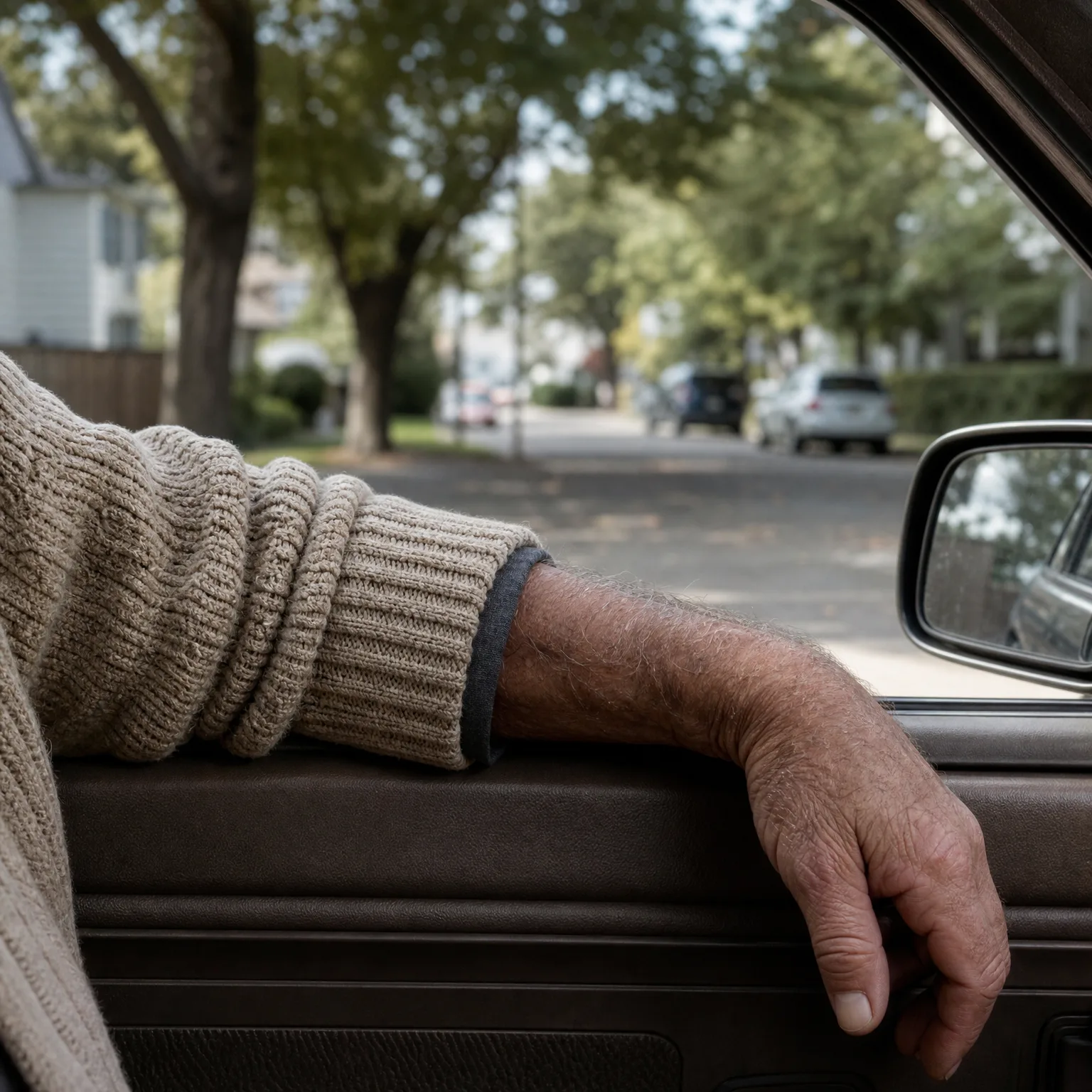
What equipment is in or on the car
A swivel cushion, a transfer handle that fits into the door latch, or a raised seat changes how much strength and balance the transfer takes, and changes what you should check with the insurer.
Most basic aids like a seat cushion or a handle that clips into the door frame don't affect a policy at all. They're not a modification to the vehicle itself.
If the car has been altered more significantly, a swivel seat base, a lift, or hand controls, that's a vehicle modification. Ask the insurer directly whether it needs to be listed on the policy and whether it affects what's covered if the car is damaged.
Keep the paperwork from any installation. If a claim ever involves that equipment, having the invoice and the installer's name makes the conversation with the insurer much shorter.

Whether the driver is the elderly person or you
If the elderly person still drives, their own ability to get in and out of the car matters for their license as much as their comfort. Some states ask about physical fitness to drive at renewal, including mobility, and a driver who struggles to transfer independently may be asked to demonstrate they can still operate the car safely. Check with the state's DMV or licensing agency for what applies.
If you're the one driving them, the transfer method matters for your back as much as their safety. Many caregivers hurt themselves lifting rather than guiding, especially with a heavier person or a smaller car. A slide board or transfer belt is worth looking into if the pivot alone isn't enough.
Either way, how someone gets in and out of a car isn't something an insurer asks about directly. It only becomes relevant if it points to a broader question about fitness to drive, which is a conversation with the DMV, not the insurance company.
Questions people ask about this
What is the easiest way for a senior to get into an SUV?
A running board or a grab handle above the door usually helps more than trying to boost from the ground up. The extra step height in an SUV is harder for someone with knee or hip pain, so a side step accessory or choosing a vehicle with a lower ride height can make a real difference. Check whether the specific SUV has a factory-installed grab handle, since not all trims include one.
Are swivel car seats covered by insurance?
A swivel seat cushion that sits on top of the existing seat typically isn't something an auto insurer needs to know about, since it doesn't change the vehicle. A swivel seat base installed as a conversion is different and should be disclosed as a modification. Ask the insurer which category your equipment falls into before assuming either way.
Does Medicare pay for a transfer bench or car transfer aid?
Whether a transfer bench or similar aid is covered depends on the specific equipment and the reason it's prescribed, so this is a question for Medicare or the supplemental plan directly rather than something to assume. A doctor's prescription or letter of medical necessity is usually what starts that conversation. Durable medical equipment coverage varies by plan, so confirm with the plan itself.
How do I know if my elderly parent should stop driving?
Difficulty getting in and out of the car safely is one sign worth paying attention to, but it's usually considered alongside other things like reaction time, vision, and recent near misses or minor accidents. A doctor or an occupational therapist who specializes in driving evaluations can give a more objective answer than family observation alone. Some states also have a process for reporting concerns about a driver's fitness, which the DMV can explain.
What car features help elderly passengers the most?
Wider door openings, a higher seat position relative to the ground, and grab handles near the door tend to help the most, since they reduce how far someone has to lower or raise themselves. A seat height close to the height of a standard chair is usually easier than a low sports car seat or a high truck seat. Test the actual transfer in the specific vehicle before assuming a feature will help, since fit varies by model.
If the car has been modified to help with transfers, see how that affects quotes from different insurers.
Start by watching the actual transfer a few times before changing anything, since the right fix depends on what's actually hard about it, standing up, swinging the legs, or balance once upright. If you add any equipment, keep the receipt and the installer's paperwork in case the insurer asks about it later. Call the insurer and describe exactly what was added to the car, not just that something was added, so they can tell you plainly whether it needs to be listed on the policy. If the elderly person still drives and the transfer is becoming difficult, that's worth raising with their doctor before the next license renewal, not after. And if you're the one lifting, ask a physical therapist about a transfer belt or slide board before your own back makes the decision for you.