
Helping a Parent Get Around
Start with their insurer and their doctor, not with taking the keys away.
Free to compare
There's a process, and it's rarely one conversation
There's no single moment where someone decides a parent can't drive anymore. It's usually a combination of what their doctor says, what the state motor vehicle agency requires, and what the family observes over time. Insurance is part of it too, since a change in health or a new citation can change what a policy costs or whether it renews at all.
The right first step depends on why you're worried. If it's a medical condition, the doctor's office can tell you whether it needs to be reported to the state. If it's a pattern of close calls or small accidents, the insurer's claims history is one place to look, since it often shows more than the family has noticed firsthand.

What the state requires is different from what the family decides
Some states require doctors to report certain conditions that affect driving. Others leave it to the driver to self report, or don't require reporting at all. This varies enough that you need to check with your parent's state motor vehicle agency directly rather than assume the rule you've heard about applies to them.
Many states also have a process where a family member, a doctor, or even a law enforcement officer can request that someone's driving ability be reviewed. This usually leads to a vision test, a road test, or a medical evaluation rather than an automatic suspension. The outcome depends on what the evaluation finds, not on who made the request.
If your parent's license does come up for review, ask the motor vehicle agency what the process looks like and what your parent can do to prepare. Some agencies allow a restricted license, limited to daytime driving or to a certain distance from home, instead of taking the license away entirely.
The insurer only enters this once the state has made a decision, through a new restriction on the license or a change in reported health conditions. Until then, the insurer is working from the same policy and the same driving record as before.
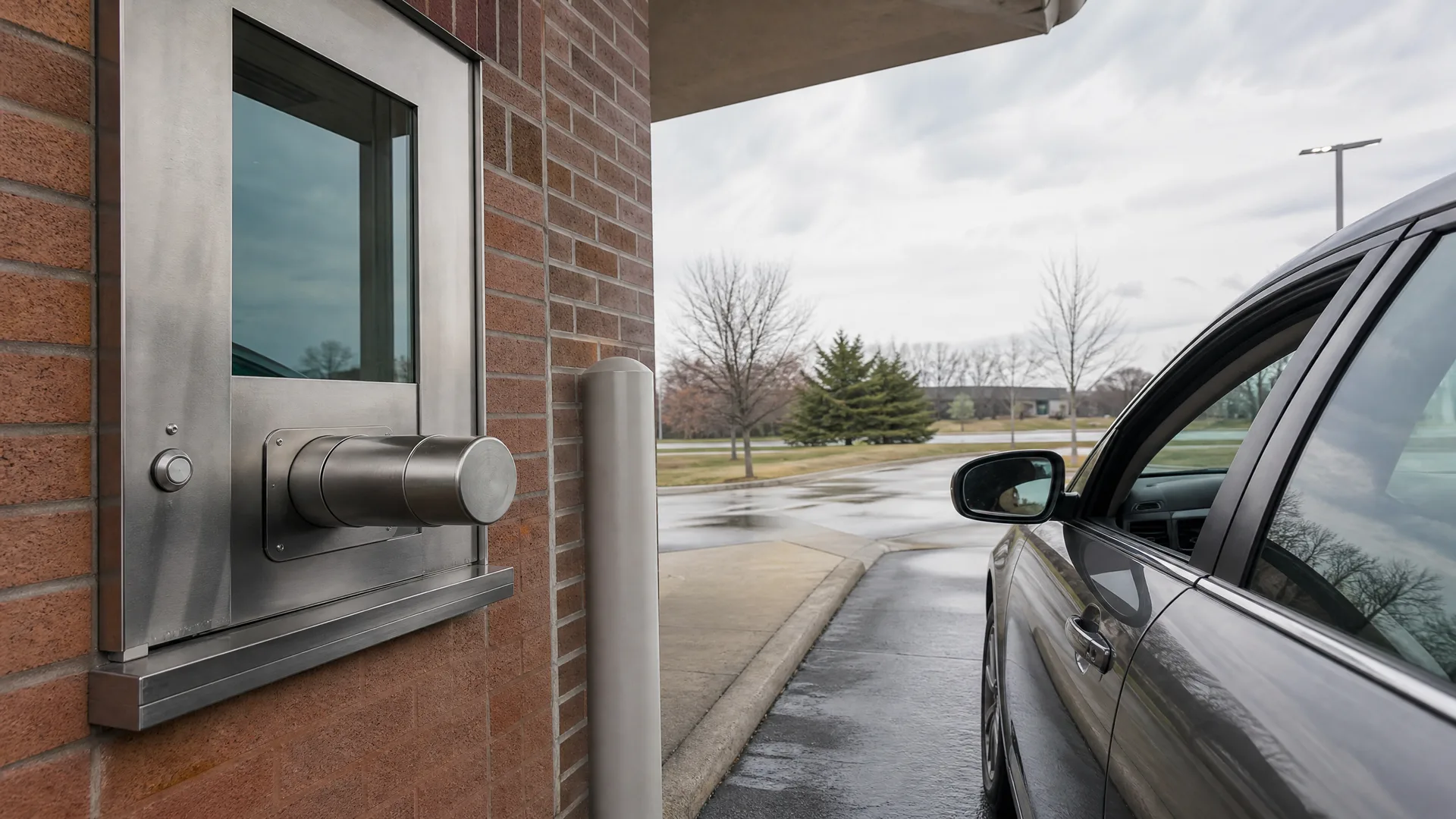
What the insurer sees is the record, not the whole person
An insurer doesn't evaluate whether someone is safe to drive. It looks at tickets, accidents, and claims, and prices the policy or decides whether to renew it based on that record. A parent with a clean record but visibly slower reflexes may still renew without issue, while a parent with one at fault accident may see a real change regardless of age.
If you're worried about cost as much as safety, ask the insurer directly what discounts are available. Many insurers reduce the premium for drivers who complete an approved defensive driving course, and some offer a lower rate for a car with fewer miles driven per year, which can be verified through a low mileage program if the insurer offers one.
If your parent stops driving regularly but still owns a car, ask the insurer about reducing coverage to reflect that, since a car that's rarely driven may not need the same liability and collision coverage as one used daily. If they stop driving altogether, ask what happens to the policy when a car is sold or a license is surrendered, since some insurers offer a non driving policy to keep continuous coverage history intact.
None of this happens automatically. The insurer prices what's on file, so if something about your parent's driving or their car has changed, someone needs to call and tell them.
Questions people ask about this
Can a family member report someone to the DMV for unsafe driving?
In many states, yes, though the process and the name for it vary by state. It typically triggers a review rather than an immediate suspension, often a vision test, a road test, or a request for medical records. Check with the state motor vehicle agency for the exact form and what evidence, if any, they ask for.
Does a parent's insurance company find out about a medical condition?
Not directly, unless the condition leads to a citation, a claim, or a change reported by the state to the driver's license record. Insurers generally don't have access to medical records. They price based on the driving record and whatever the driver reports on the application or renewal.
What happens to a car's insurance if my parent stops driving but keeps the car?
The policy can usually be adjusted rather than canceled, since a car that sits mostly unused may still need some coverage against theft or damage. Ask the insurer about reducing liability and collision coverage, or ask whether a comprehensive only policy fits a car that isn't being driven regularly.
Will my parent's premium go up after a license restriction?
It depends on the insurer and what the restriction is for. Some restrictions, like daytime only driving, don't necessarily affect the price. Others, tied to a medical condition or a failed road test, might. Ask the insurer directly how they treat a restricted license on file.
Can I manage my parent's car insurance policy for them?
You can be added to a policy as a named insured or given authorization to discuss the account, depending on the insurer's rules. Ask the insurer what documentation they need, since some require power of attorney or a signed authorization form before they'll speak with anyone other than the policyholder.
If your parent's situation has changed, see what a current comparison shows for their coverage.

Call your parent's insurer and ask two things: what their policy currently covers and what discounts they qualify for, including any defensive driving course or low mileage program. Separately, call the state motor vehicle agency to ask what their process is for a driving ability review, even if you're not ready to request one, so you understand the steps before you need them. If a doctor is involved, ask at the next appointment whether the state requires them to report anything. Keep a simple written note of specific incidents, dates and what happened, since both the agency and the insurer will want specifics rather than general concern.