How to Coordinate Family Driving Duties
The real work is deciding who's insured to drive which car, and making sure the policy actually says so.
Free to compare
Start with who's listed on the policy
Coordinating family driving duties works best when you settle the insurance question first, before you settle the schedule. Every adult who regularly drives a car in the household should be listed as a driver on that car's policy, or the insurer may not cover a claim if something happens while they're behind the wheel.
This matters more as driving gets shared around. A grandparent picking up grandkids, a spouse taking over errands, an adult child staying with parents and borrowing the car all change who's actually driving regularly, and insurers care about that. Once you know who's listed and who isn't, the rest of the coordinating is just logistics.
Who's listed matters more than who drives most
An insurance policy isn't really about whose name is on the registration. It's about who's named as a driver and what they're expected to drive. If someone in the household drives a car regularly but isn't listed, that's the gap to close first.
This comes up a lot when driving duties shift because of health, vision, or just convenience. Maybe one person used to do all the highway driving and now someone else does. Maybe a parent used to drive at night and a son or daughter has quietly taken that over. None of that is a problem for the insurer as long as the policy reflects it.
Call the insurer or agent and ask directly who needs to be listed given how the car is actually being used now. Don't guess based on how things used to work or what seems obvious. The answer depends on the insurer's own rules, so ask rather than assume.
If someone occasionally borrows the car rather than driving it regularly, that's usually treated differently than a regular driver, but what counts as occasional versus regular is also something only the insurer can define for that policy.
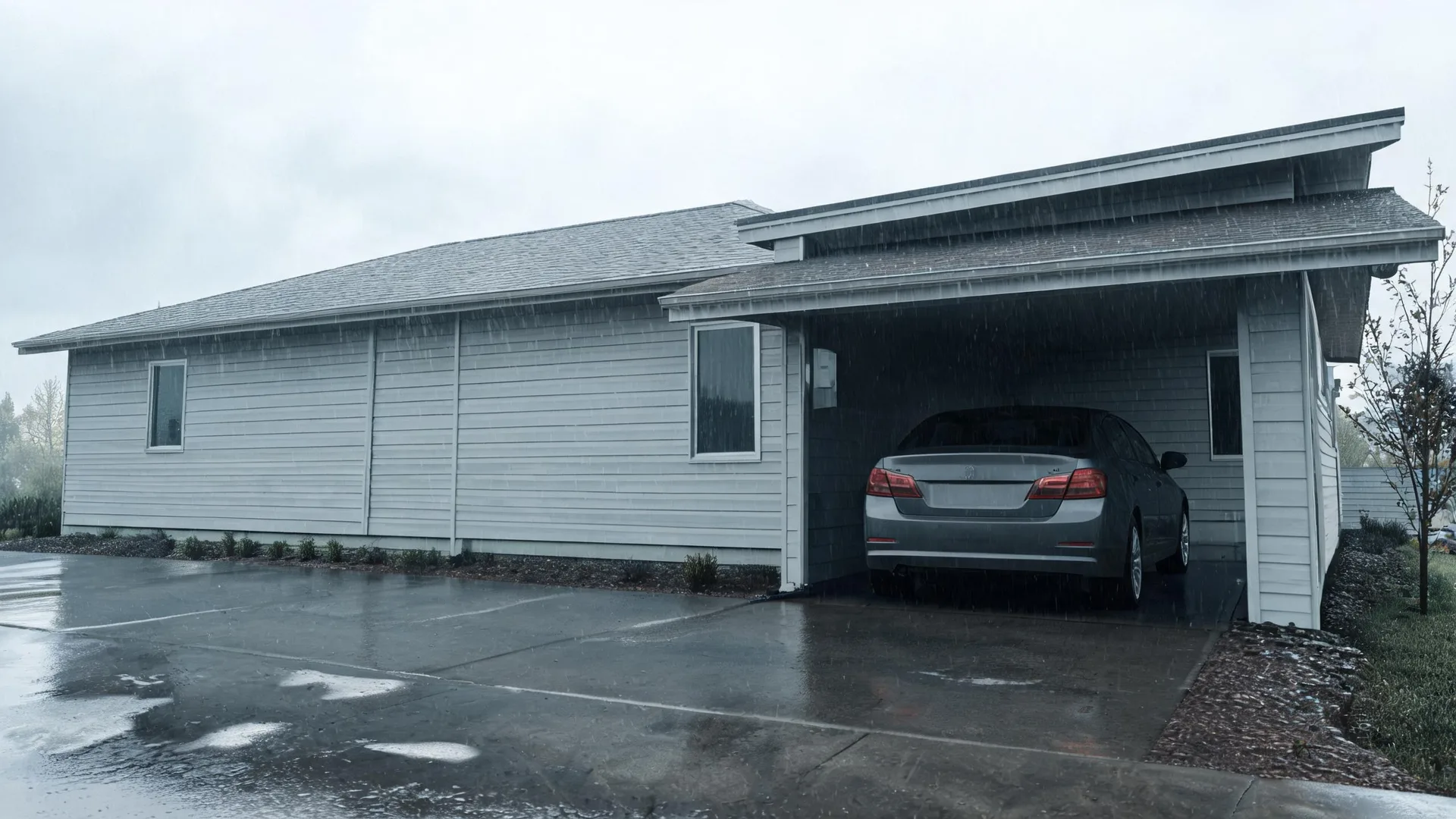
One car or several changes how you coordinate
Families that share one car face a different set of questions than families where each driver has their own. With one shared car, the insurance question is simpler, since there's usually one policy and the people on it are the ones who matter.
With multiple cars, it gets more complicated. Some families put every driver on every car's policy. Others keep policies separate by driver and car. Either can work, but it changes who's covered if someone drives a car that isn't normally theirs, say, taking a parent's car in for the day while their own is in the shop.
If driving duties shift seasonally or depend on who's available, it's worth checking whether the policy covers an occasional swap of cars among listed drivers, or whether that needs its own conversation with the insurer. Some policies are flexible about which listed driver uses which car. Others are tied more closely to driver and car pairs.
The household's actual pattern, who drives what and how often, is what the insurer needs to know. Write it down before the call so nothing gets missed.
Questions people ask about this
Does an elderly parent need their own car insurance if they only drive occasionally?
It depends on how the insurer defines occasional driving and whether the parent has their own car or shares one. If they're driving a car that already has a policy, ask the insurer whether an occasional driver needs to be listed or just disclosed. If they have their own car, they'll typically need their own policy, though some insurers allow a secondary driver arrangement. Check with the specific insurer rather than assuming either way.
Can two generations share one car insurance policy?
Some insurers allow multiple generations on one policy if they live in the same household and share the car, while others require separate policies once drivers don't live together. This is worth asking about directly, since it affects both cost and whether everyone is properly covered. If the parent and adult child live in different homes, most insurers will treat them as needing separate policies regardless of how the car is shared.
What happens if an unlisted family member drives the car and has an accident?
The insurer may deny or reduce the claim if the driver wasn't listed and wasn't someone they'd reasonably expect to be driving, like an occasional guest. This is exactly why it matters to list anyone who drives regularly, even if it's only a few days a week. If you're not sure whether someone's driving counts as regular or occasional, ask the insurer directly rather than guessing.
Should an elderly driver's car insurance change once they drive less often?
It can be worth telling the insurer if someone's driving has dropped significantly, since some insurers adjust based on how much a car is actually driven. Whether this changes anything depends entirely on the insurer's own policies, so the only way to know is to ask. Don't assume driving less automatically lowers the premium without confirming it.
How do families handle insurance when taking turns using a parent's car?
The key question is whether everyone taking turns is listed as a driver on that car's policy, regardless of how the schedule works day to day. Insurers generally care about who's driving the car regularly, not how the family has worked out the schedule among themselves. If the rotation includes someone who doesn't live in the household, mention that specifically, since it can change how the insurer views the arrangement.
See what it would cost to have everyone who drives properly covered.

Make a simple list this week of everyone in the family who drives any of the household's cars, and roughly how often. Call the insurer or agent for each policy and read them that list, asking plainly who needs to be added or adjusted. Ask specifically about occasional drivers, since the rules on that vary by insurer. If driving patterns have shifted recently, whether due to a move, a health change, or just a new routine, mention that too, since it's exactly the kind of thing insurers want to know about before a claim, not after one.