How to Dispose of a Non-Running Car
A car that won't run can still be sold for scrap, sold for parts, or donated, and the right choice depends on the car and the title.
Free to compare
It comes down to the title and what the car is worth in pieces
A non-running car still has value, either as scrap metal, as parts, or as a donation that gets you a tax receipt. Junkyards and scrap buyers will usually tow it away for free or pay you something, depending on the weight of the metal and what parts are still good. Charities that accept car donations will also tow it free and handle the paperwork.
The main thing that decides which option makes sense is whether you have a clear title in your name. Without it, most buyers and charities can't take the car, no matter how good the deal looks otherwise.
Whether you have the title changes everything
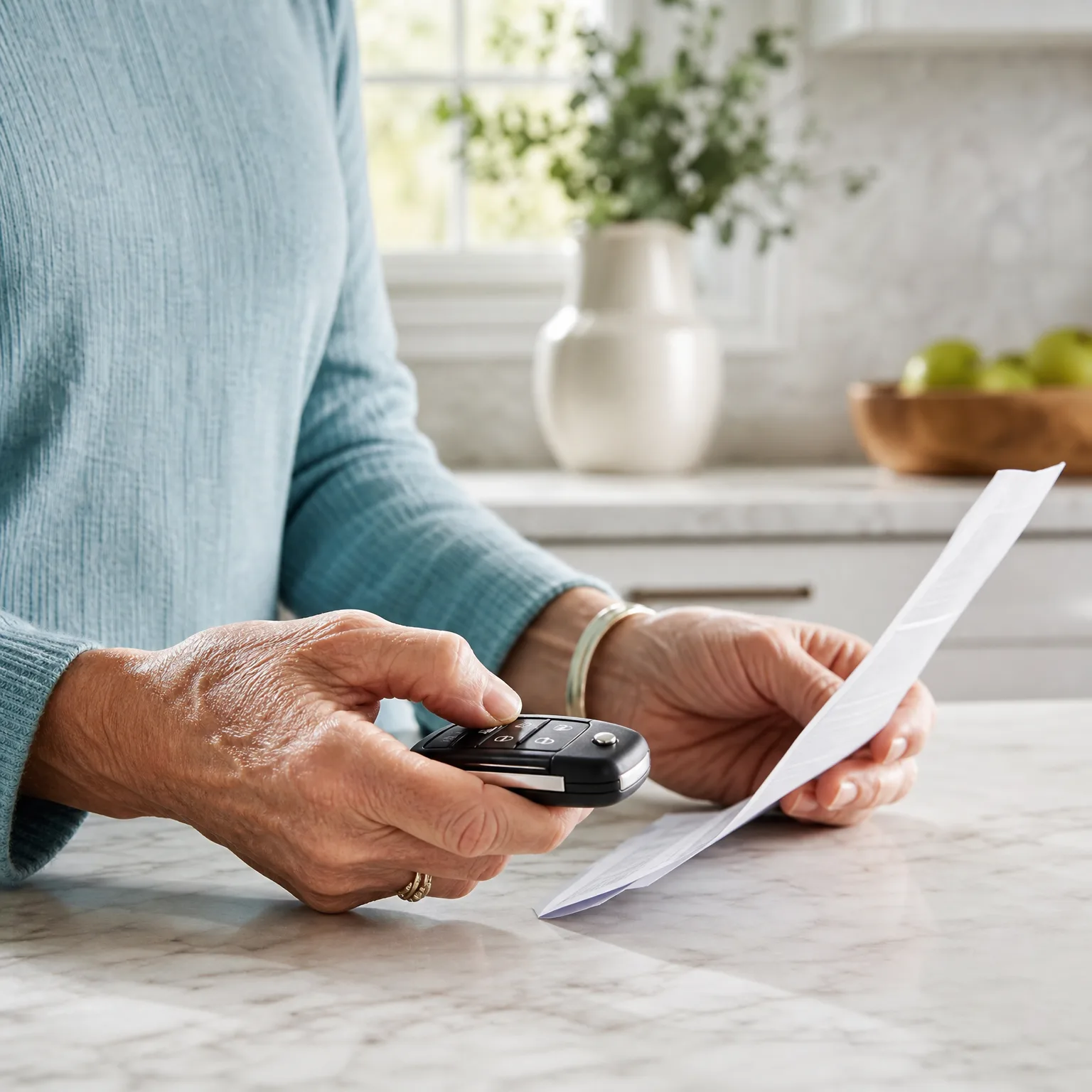
If you have the title and it's free of any lien, you can sell or donate the car to almost anyone willing to take it. The buyer or charity will ask for the title at pickup, so have it ready rather than promising to mail it later.
If you've lost the title, your state's motor vehicle agency can issue a duplicate, usually by mail or in person, and most junkyards and donation programs will wait for that before they'll schedule a tow.
If there's still a loan on the car, the lender holds the title until it's paid off. You'll need to settle that first or get the lender to release it before you can sign the car over to anyone.
Some states let you transfer a junk or salvage vehicle with less paperwork than a regular title transfer. Check with your state's DMV or motor vehicle agency to see if that applies to your car.
What's wrong with the car affects who will take it
A car that doesn't run because of a dead battery or a blown engine is still worth something to a scrap yard for its metal, and worth more to a parts buyer if the body and interior are in decent shape. Scrap buyers typically pay by weight and arrange their own tow.
If the car was in a serious accident or has frame damage, it may need to be titled as salvage before anyone can legally buy or register it. Ask your state's motor vehicle agency whether your car needs a salvage title before you try to sell it.
Donation programs are generally less picky about condition since they're set up to scrap or part out cars themselves, but they will still want to know if it runs, and they may ask for keys and a way to release the brakes so it can be towed.
If the car has been sitting outside for years, check for anything living in it or nesting under the hood before anyone shows up to haul it away.
Questions people ask about this
Do I need to cancel my insurance before I get rid of a non-running car?
Yes, call your insurer once the car is gone so you stop paying for coverage on a vehicle you no longer own. Keep the date of pickup or sale, since your insurer may ask for it. If the car is your only vehicle, ask about a gap in coverage if you plan to get another car soon.
Will junking my car affect my insurance rate on my other vehicles?
No, removing a car from your policy doesn't raise your rate on the vehicles you keep. Your insurer will simply drop that car from your coverage and adjust your premium down to reflect one less vehicle insured.
Can I get a tax deduction for donating a non-running car?
It depends on the charity and how they use the car, so ask the organization directly what paperwork they'll send you. Charities that sell donated cars for scrap or parts typically issue a receipt based on the sale price, not the car's original value.
What paperwork do I need to keep after I get rid of the car?
Keep a copy of the signed title transfer, a bill of sale, or a donation receipt, whichever applies. Many states also want you to file a release of liability with the motor vehicle agency so you're not responsible for the car after it leaves your hands.
Is it better to junk the car or trade it in toward a new one?
That depends on what a dealer offers versus what a junkyard or scrap buyer offers, so it's worth getting both numbers before deciding. A dealer may take a non-running car in trade for a small credit, but scrap buyers sometimes pay more since they're valuing the metal and parts directly.
Once the old car is off your policy, see what a new one would cost to insure.
Find the title and check whose name is on it, since that determines who you can sell or donate the car to. If the title is missing or there's still a loan on the car, start with your state's motor vehicle agency or your lender before contacting any buyer. Call a few junkyards, parts buyers, or donation programs to compare what they'll tow for free versus what they'll pay. Once the car is gone, call your insurer to remove it from your policy and ask about any paperwork your state requires to end your liability for it.