
How to Sell an Elderly Parent Car
Selling the car is usually the easy part. The harder part is making sure the title, the insurance, and your parent's own say in the decision are handled the right way.
Free to compare
You can sell it, but a few things need to happen in order
You can sell a parent's car for them, but you need to be the one on the title, or have a signed authorization or power of attorney that lets you act for them. A buyer, a dealer, or the DMV will ask for proof you have the right to sign the transfer, and without it the sale can stall at the last step.
The other piece is insurance. The policy on that car needs to stay active until the sale is final, and your parent's own coverage needs to be sorted out separately, whether that means canceling it, pausing it, or moving it to a different car. Doing that out of order is where most of the trouble happens.
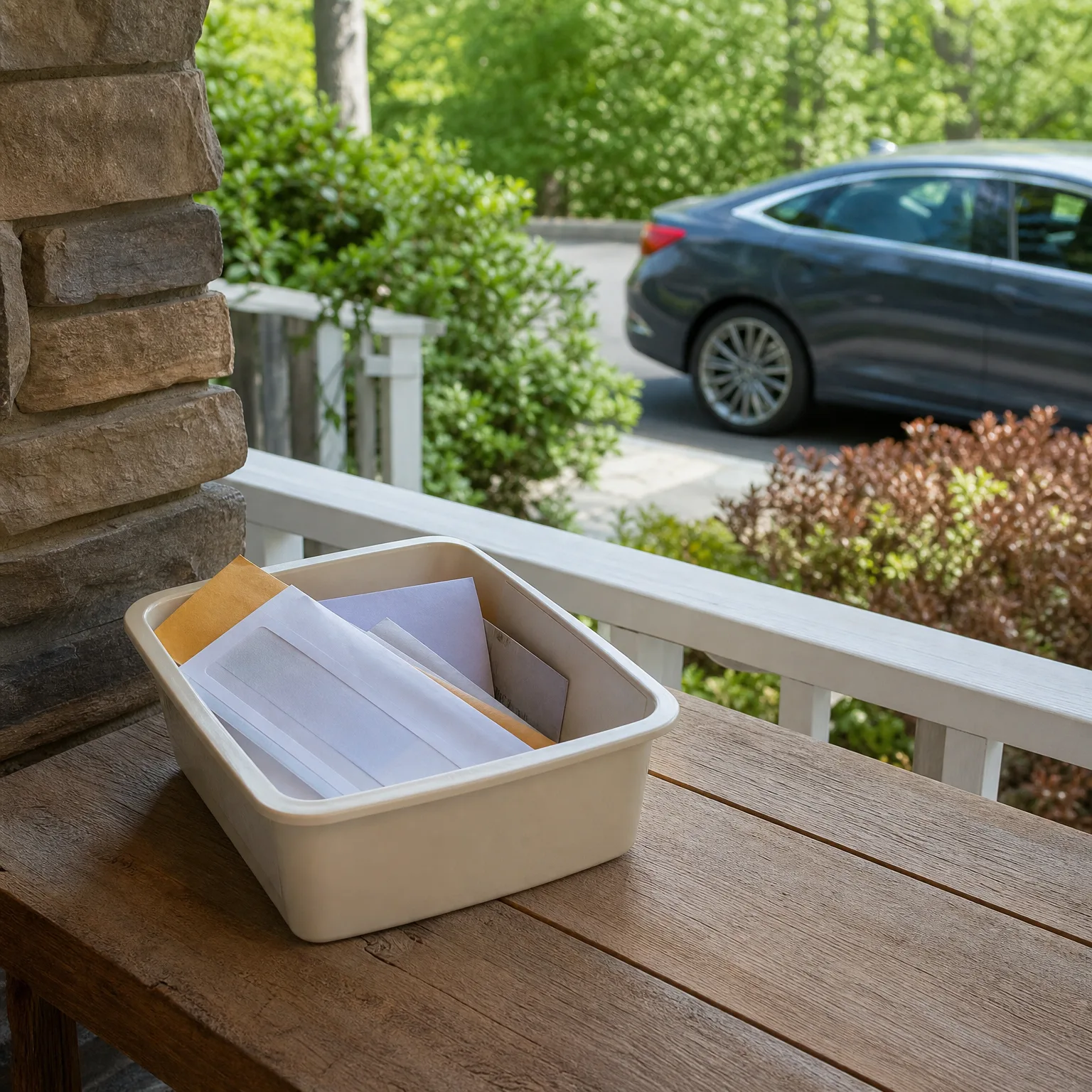
Whether your name is actually on anything yet
If the car, the title, or the insurance policy are only in your parent's name, you are not legally able to sell the car or cancel the policy on your own. Some states let a family member sign with a notarized authorization or a power of attorney document. Others want the account holder to sign in person, or to add you as an authorized person first.
Check this before you list the car anywhere. Call the DMV in your parent's state and ask what they require to transfer a title when someone else is handling the sale. Ask the insurer the same question about canceling or changing a policy they didn't open themselves.
If your parent has a general or durable power of attorney already drawn up, read it. Some are written broadly enough to cover this. Others are limited to medical decisions and won't help here at all.
If nothing is in place yet, this is the first thing to fix, not something to work around later.

What happens to coverage once the car is gone
Selling the car doesn't automatically end the insurance policy on it. If your parent has no other car, canceling that policy means they go without coverage, which can matter later if they ever want to insure another car, since a gap in coverage is something insurers ask about.
If your parent is giving up driving along with the car, ask the insurer what happens to the policy, whether it simply ends or whether there's a way to keep some record of continuous coverage in case that matters down the line.
If your parent is keeping a different car, or you're buying them a replacement, the insurer can usually move the coverage over rather than starting fresh. That's worth asking about directly, since it can affect what they're charged going forward.
If your parent is moving in with you or into a care setting, ask whether they'll be listed on a household policy instead. That's a separate conversation from the sale itself, but it tends to come up at the same time.
Questions people ask about this
Does my parent need to be present to sell their car?
Not always, but it depends on the state and what paperwork you have. Some DMVs accept a signed title and a power of attorney without the owner present. Others require notarized authorization specific to vehicle sales. Call the DMV in your parent's state before you assume either way.
What happens to my parent's insurance discount history if they stop driving?
This depends on the insurer, so ask directly rather than assuming. Some insurers keep a record that a policyholder had continuous coverage even after they stop insuring a car, which can matter if they ever insure a vehicle again. Others don't track it that way at all.
Can I add my parent's car to my own insurance policy before selling it?
Usually yes, if you're listed as a driver or the car is added to your policy, but check with the insurer first. This can simplify the sale since you'd already be authorized on the policy, though it doesn't by itself give you authority over the title.
What if my parent refuses to sell the car or give up driving?
This isn't an insurance question, it's a family and sometimes a medical one. Some states let a doctor, a family member, or the DMV request a driving evaluation if there's a safety concern. Start with the DMV in their state to learn what that process looks like.
Will selling my parent's car affect their ability to get insurance later?
Not usually, as long as there's no long gap without any coverage at all. If your parent might want to insure a car again later, even a low-mileage one, ask their current insurer what keeping a minimal policy active would cost compared to letting it lapse entirely.
Once the sale and the paperwork are settled, it's worth seeing what coverage looks like for whatever comes next, whether that's a different car or no car at all.
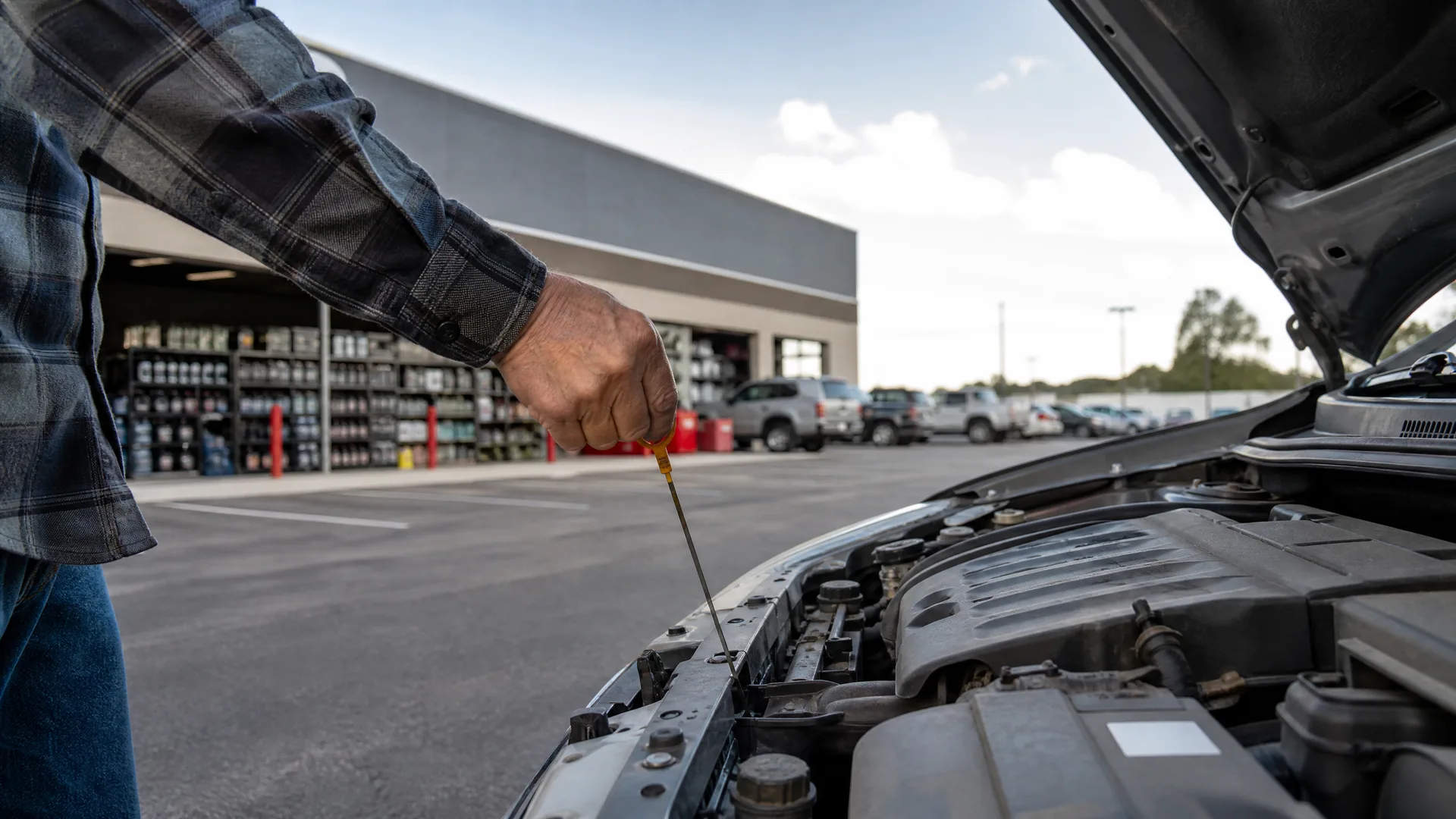
Start with the DMV, not the sale. Call and ask what their state requires to transfer a title when someone other than the owner is handling it, and get that answer in writing if they'll give it to you. Pull out any power of attorney documents your parent has signed and read what they actually authorize. Call the insurer next and ask two things: what they need to let you act on the policy, and what options exist once the car is sold, whether that's canceling, transferring to another car, or adding your parent to a household policy. Keep a copy of the title, the bill of sale, and whatever authorization you used, since you may need to show them more than once during the process.