
Managing a Parent Car and Bills
Start with the policy itself, because it decides whether you can even make changes before anything else does.
Free to compare
You need to know whose name is on the policy
If your parent still drives, the policy usually needs to stay in their name, with you added if you also drive the car or help manage it. If your parent has stopped driving or can't manage the account, you'll need some form of authority, like being listed as an authorized user, a co-owner on the title, or holding power of attorney, before an insurer will talk to you about changes.
Call the insurer and ask what they need to let you discuss or manage the policy. Some will add you as an authorized contact with a simple form. Others want documentation on file first. Doing this before there's a problem, like a lapsed payment or a claim, makes everything after it easier.

Who's actually driving the car changes what the policy should look like
If your parent is still driving regularly, the policy should reflect that and list them as the primary driver. Adding yourself as an occasional driver, if you use the car sometimes, keeps the coverage accurate without changing who it's really insuring.
If your parent has stopped driving but the car is still registered and insured, ask the insurer whether a lower-use policy makes sense. Some insurers price coverage differently for a car that sits most of the time versus one driven daily, but this depends entirely on the insurer, so ask rather than assume.
If you're the one now driving the car regularly, whether to run errands for your parent or because you've taken over its use, say so. An insurer that finds out after a claim that the primary driver changed can have grounds to question the claim. This is one of the more common reasons families run into trouble later.
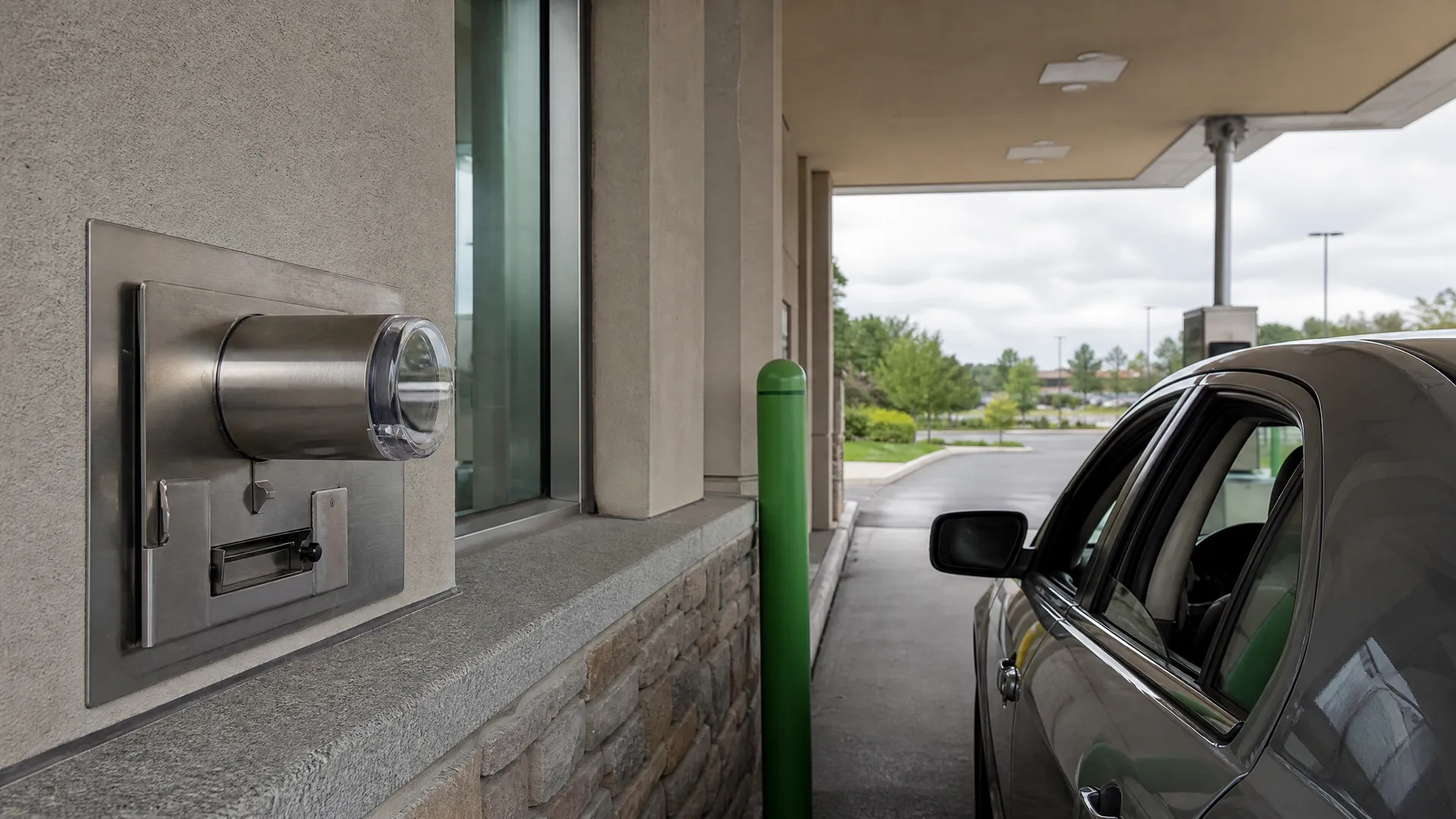
The billing and the title don't have to move together
You can often take over paying the premium without your name being on the title or the policy. Many insurers let a family member pay a bill directly, sometimes by setting up the payment method in your name while the policy itself stays in your parent's.
If you're also managing other bills, like the car loan or the registration renewal, check whether those accounts have the same flexibility. A lender may require more than a phone call to let you make payments or get information, especially if your parent isn't listed as having given you authority.
Keep a copy of anything you sign or any authorization your parent gives you, whether it's for the insurer, the DMV, or a lender. If your parent's ability to manage this themselves changes further down the road, having that paperwork already in place saves time you won't want to spend hunting for it.
Questions people ask about this
Can I get insurance information on my parent's policy without being listed on it?
Only if the insurer has you on file as someone authorized to discuss the account, which usually means being added as an authorized contact or holding documented authority like power of attorney. Without that, most insurers won't share policy details, even with a family member, because the policyholder is the only one who can authorize release of their own information. Ask the insurer directly what they accept.
What happens to my parent's car insurance if they stop driving?
The policy doesn't end on its own, so someone needs to decide whether to keep it, change it, or cancel it. If the car stays registered and sits unused, ask the insurer about options for reduced coverage rather than letting the policy lapse, since a lapse can affect rates later if the car is insured again. If the car is being sold or given to someone else, the policy and registration both need to be updated to reflect that.
Should I add my parent to my own insurance policy instead?
This depends on whether your parent still owns and drives their own car or is moving in with you and giving up their vehicle. If they're keeping their car, it usually makes more sense to keep their policy separate with you added as a driver if needed. If they've given up the car entirely, ask your insurer what it takes to add them as a listed driver on your policy.
How do I find out what insurance policies my parent already has?
Start with mail and email for renewal notices or billing statements, which will name the insurer and policy number. If you can't find anything, your parent's state insurance department may be able to tell you how to search for active policies in their name, though the exact process varies by state.
What should I do if my parent's car insurance lapses because a bill was missed?
Contact the insurer as soon as you notice, since some will reinstate a policy without a gap if you catch it quickly enough, though this depends entirely on the insurer's own rules. If reinstatement isn't possible, your parent will need a new policy, and a recent lapse may affect what rates are available, so ask new insurers directly how they handle it.
See what it would cost to put the policy in better order, for your parent or for both of you.

Find the most recent renewal notice or policy document and call the insurer this week, even if nothing seems urgent yet. Ask what they need to let you be listed as an authorized contact, and ask directly whether the current driver listed on the policy still matches who's actually driving the car. If your parent has stopped driving, ask about options for the car's coverage rather than letting the policy renew on autopilot. If you're taking over payments, ask whether that needs to be set up differently than it is now. Keep whatever paperwork or confirmation the insurer gives you, since you may need to show it again later.