When to Take Car Keys from Elderly Parent
There's no single sign that settles it, but a pattern of trouble behind the wheel usually matters more than any one bad moment.
Free to compare
Watch the pattern, not the age
The decision isn't about a birthday or a number. It's about whether your parent can still see hazards coming, react in time, and handle the car itself. Age alone tells you very little. Two people the same age can be in completely different shape behind the wheel.
What matters is whether the signs are adding up. New dents on the car. A near miss a neighbor mentions. Getting lost on a familiar route. Any one of these could be nothing. Several of them together, especially if they're getting more frequent, is the pattern that usually means it's time.
What you can actually observe
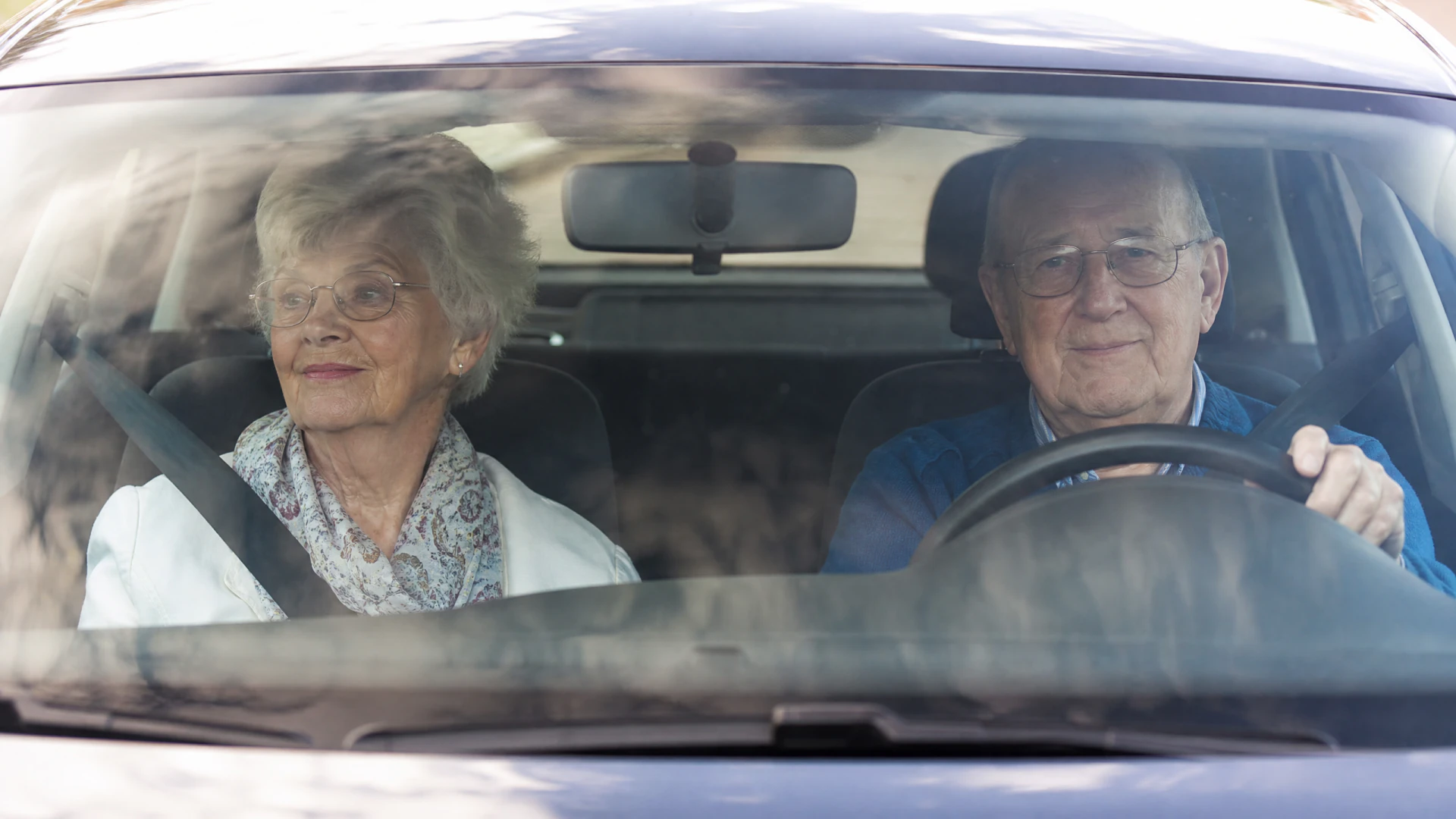
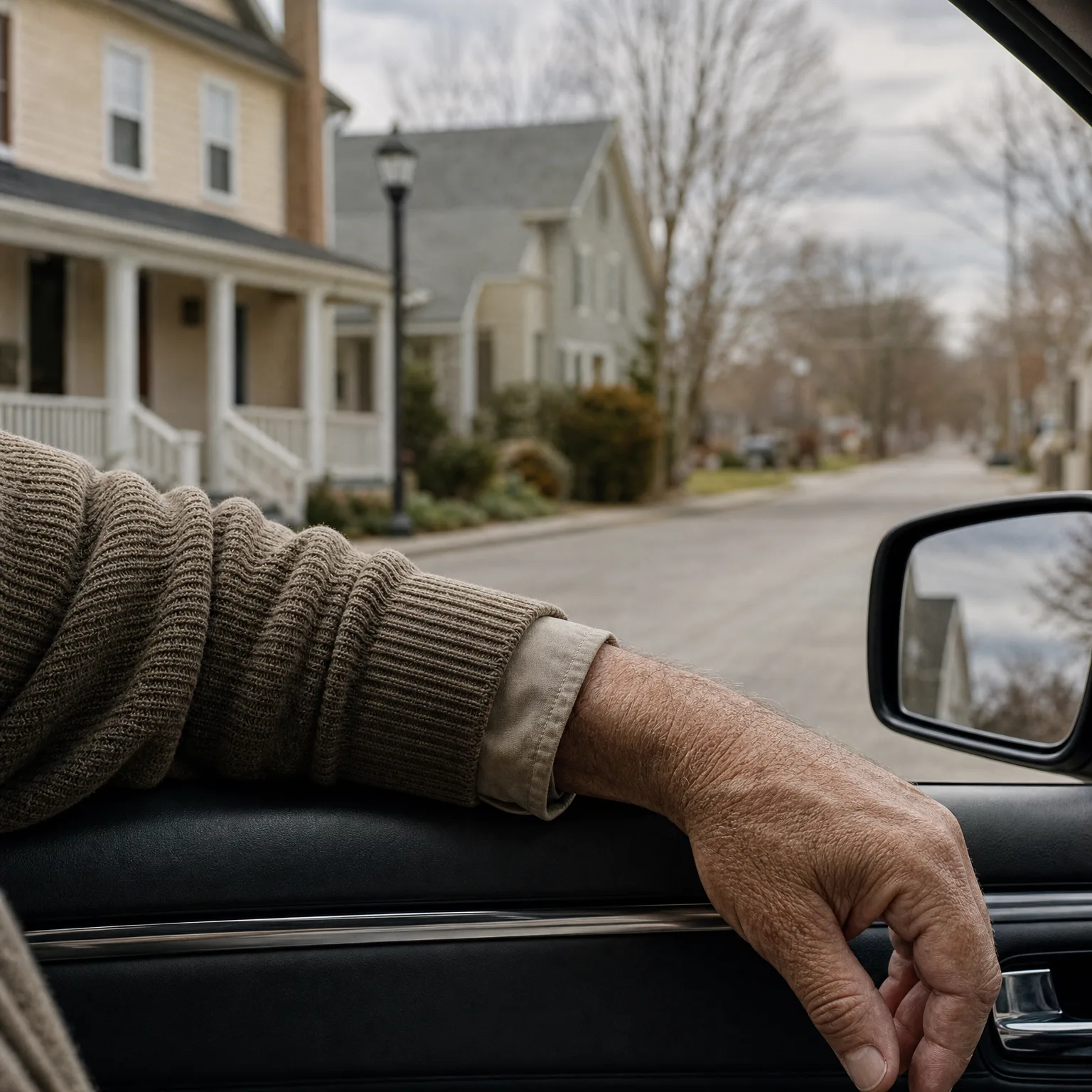
You don't need a medical exam to start noticing. Ride along as a passenger and pay attention to the ordinary things. Does your parent drift within the lane. Do they react late to a light changing or a car braking ahead. Do they get flustered merging or at an intersection they used to handle without thinking.
Look at the car itself. New scrapes on the bumper or mirror, especially ones your parent can't explain, are a real signal. So is avoiding certain situations they used to drive through without comment, like highways, left turns, or driving after dark.
Ask their doctor what they're seeing too. Vision, reaction time, and some medications can all affect driving, and a doctor may notice changes before you do. Many states also require a vision test or other check at renewal for older drivers, so a failed test or a doctor's note can end up driving the timeline whether or not you've raised it yourself.
If your parent still drives confidently, follows the rules without needing reminders, and the car shows no new damage, that's real information too. Not every parent in this age range needs to stop.
What people get wrong about the conversation
Waiting for one dramatic incident is the most common mistake. Families often hold off until there's a serious accident, when the smaller signs were already there months earlier. The pattern is usually visible well before anything serious happens, if someone is paying attention.
The other mistake is treating it as a single conversation that settles everything. It rarely works that way. It usually takes several conversations, spaced out, grounded in specific things you've seen rather than a general feeling that it's time.
Bringing in someone your parent trusts, like their own doctor, can carry more weight than a family member alone. A doctor can frame it as a health and safety matter rather than a family argument, which often makes it easier for a parent to hear.
It also helps to have the alternative ready before you have the conversation. A parent who gives up driving and has no way to get to the pharmacy or to see friends is losing more than a car. Knowing what rides, delivery, or transit options exist locally makes the conversation about a plan, not just a loss.
Questions people ask about this
How do I bring up driving with a stubborn parent?
Start with specific things you've observed rather than a general statement that they should stop. Pick one incident, like a recent dent or a missed turn, and ask about it directly instead of opening with the big question. Bringing in their doctor or another person they trust often helps more than repeating the request yourself.
Can a doctor make a parent stop driving?
A doctor can report concerns to the state licensing agency in some states, which may trigger a reevaluation or retesting. The rules for this vary by state, so check with your parent's doctor or the state DMV about what happens after a doctor raises a concern. A doctor can't personally take the keys, but their report can start a process that does.
What if my parent refuses to stop driving?
If safety is a serious concern and your parent won't stop voluntarily, you can contact the state DMV or licensing agency and ask about reporting an unsafe driver. Most states have a process for this, though what happens next, like a retest or a hearing, depends on the state. This is usually a last step after direct conversations haven't worked.
Will my parent's car insurance go up if they have a close call but no accident?
A close call with no accident and no citation typically doesn't affect a policy on its own, since insurers generally respond to claims and violations on the record. If it leads to a moving violation or a claim, that's a different matter and would depend on the insurer and the state. Ask the insurer directly what they look at when a policy comes up for renewal.
What are the alternatives once a parent stops driving?
Options depend heavily on where your parent lives. Rural areas often have fewer choices than cities or suburbs. Look into local senior transit programs, ride services, grocery and pharmacy delivery, and whether family or neighbors can help with a regular schedule. Many areas have a local agency on aging that keeps a list of transportation options for older adults.
If your parent is still driving, it's worth checking whether their policy still fits their situation.
Start by riding along as a passenger a few times and writing down specific things you notice, not just a general impression. Check the car for new damage and ask your parent directly about any you find. Call their doctor's office and mention what you've seen, since many changes in driving ability show up in a medical visit first. Look up what your state requires for older drivers at license renewal, since a vision test or in-person renewal may already be coming up. Before any conversation about stopping, find out what transportation options exist nearby so you can offer a plan, not just a restriction. If your parent keeps driving for now, check with their insurer about whether anything in their situation affects the policy.